Are Tanning Beds Dangerous for Your Eyes?
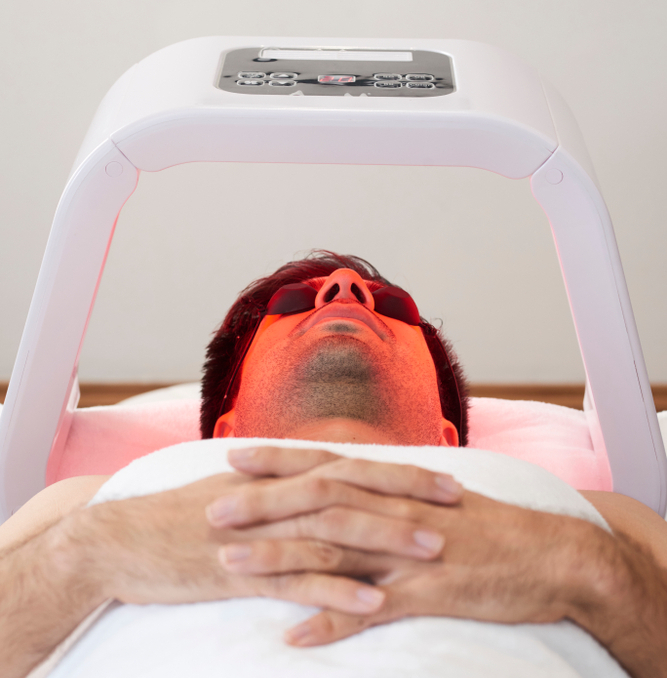
Tanning beds are marketed as a convenient way to keep a sun-kissed glow year-round.
But while most people know about the skin cancer risks, far fewer think about what that UV exposure is doing to their eyes. The answer may surprise you.
The UV Threat You Can't See
Tanning beds emit ultraviolet radiation at levels that can be 10 to 15 times more intense than the midday sun. That intensity doesn't just affect your skin. Your eyes absorb UV radiation too, and without proper protection, repeated exposure can cause serious, sometimes irreversible, damage. Most tanning salons provide goggles, but many clients skip them out of vanity, worrying about tan lines around the eyes. That's a decision with real consequences.
Short-Term Effects: Photokeratitis
One of the most immediate risks is photokeratitis, essentially a sunburn on the surface of the eye. Symptoms include redness, tearing, a gritty or burning sensation, light sensitivity, and temporary blurred vision. It typically resolves within a day or two, but the discomfort can be significant, and repeated episodes are hard on the cornea. Closing your eyes during a tanning session does not protect you. Eyelids are thin and translucent enough that UV rays pass right through them.
Long-Term Risks: The Bigger Picture
The dangers don't stop at short-term irritation. Over time, UV exposure from tanning beds has been linked to several serious eye conditions:
- Cataracts. UV radiation accelerates the clouding of the eye's natural lens. Cataracts are the leading cause of blindness worldwide, and habitual tanners may develop them earlier in life.
- Macular degeneration. The macula, responsible for sharp central vision, is particularly vulnerable to UV damage. Age-related macular degeneration is already a leading cause of vision loss in adults over 50. Tanning bed use may push that timeline forward.
- Pterygium. This is a growth of tissue that spreads across the white of the eye and onto the cornea. It can cause chronic irritation and, in advanced cases, vision distortion. UV exposure is a primary risk factor.
- Ocular melanoma. Though rare, this is a cancer of the eye associated with UV exposure. It is serious and, when caught late, can threaten both vision and life.
What You Can Do
If you use a tanning bed or plan to, always wear the goggles provided. Look for ones that are labeled as blocking both UVA and UVB radiation. Makeshift solutions, like cotton pads or regular sunglasses, are not adequate substitutes. Better yet, talk to your eye doctor about your habits. They can assess early signs of UV-related damage during a comprehensive eye exam, often before symptoms appear.
The Bottom Line
Your eyes deserve the same protection as your skin. The short-term benefits of a tan are never worth the long-term cost of vision loss. Wear your goggles, schedule regular eye exams, and ask your optometrist if you have concerns about past UV exposure.
Prevention today is always easier than treatment tomorrow.
The content on this blog is not intended to be a substitute for professional medical advice, diagnosis, or treatment. Always seek the advice of qualified health providers with questions you may have regarding medical conditions.
Quick Links
All Eye Care Services
Dry Eye Treatment in Santa Monica
Dry eyes rarely have one cause, so we don’t start with a prescription. We start by finding out why your eyes are dry, then build a plan around daily habits and home care, because that is what makes the biggest difference. If you need more, we offer IPL, radiofrequency (RF), punctal plugs, and prescription treatments, with a follow-up plan so you always know what comes next.
Myopia Management for Kids in Santa Monica
If your child’s prescription keeps getting stronger, it’s worth acting early. We start myopia evaluations at age 4. We’ll explain what rising nearsightedness can mean over time and what to expect as school demands grow and puberty arrives. Then we choose an option your child will accept: atropine drops, Stellest lenses, MiSight contact lenses, or orthokeratology (overnight lenses). We check progress every few months and adjust as your child grows.
Specialty Contact Lens Evaluations in Santa Monica
Told that contact lenses won’t work for you? Often there is a way. We evaluate multifocal, scleral, mini-scleral, and hybrid lenses, including lenses for keratoconus and for eyes after surgery. With corneal topography and trial lenses in every style, we find what works for your eyes. We have helped patients who were told elsewhere that contacts weren’t an option.
Find personalized eye care excellence with our comprehensive services. From eye exams to advanced diagnostics, trust us for all your vision needs.

Keep In Touch
For non-urgent questions or to learn more about our services, contact us today!
Quick Links
Contact Info
- 1234 7th Street Suite #2
Santa Monica, CA 90401 - Phone: (310) 395-5778
- Fax: (310) 458-9754
Hours of Operation
- Monday 8:00am - 4:30pm*
- Tuesday 8:00am - 4:30pm**
- Wednesday 8:00am - 4:30pm*
- Thursday 8:00am - 4:30pm*
- Friday 8:00am - 4:30pm**
- Saturday Closed
- (Select Saturday appointments are available by request. Call or text (310) 395-5778 to check availability.)
- Sunday Closed
- Please note the following:
* We are closed 12:00 - 1:00 for lunch on Monday, Wednesday, and Thursday.
** We are closed 12:30 - 1:30 for lunch on Tuesday and Friday. - Monday
- Tuesday
- Wednesday
- Thursday
- Friday
- Saturday
- Sunday
- Monday
- Tuesday
- Wednesday
- Thursday
- Friday
- Saturday
- Sunday
© 2026 Golden State Optometry. All rights Reserved -
Accessibility Statement
-
Privacy Policy
-
Sitemap
Managed and Designed by 