
Pediatric Eye Care
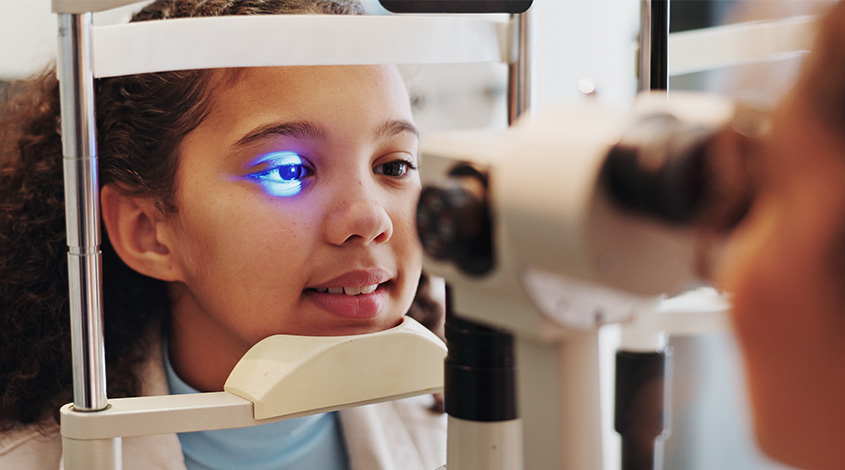
Kids don’t know what normal vision is supposed to look like — if one eye is blurry or their eyes aren’t tracking quite right, they usually just assume that’s how everyone sees. That’s exactly why early exams matter so much; a lot of childhood vision problems are silent until a teacher or parent notices something like squinting, sitting too close to the TV, or falling behind in reading.
We make a point of keeping pediatric visits relaxed rather than clinical — for a lot of kids, this is their first time in any kind of medical chair, and we want that experience to be a good one.
We check for: - Nearsightedness, farsightedness, and astigmatism - Amblyopia (“lazy eye”) and eye alignment issues - Eye teaming and focusing skills that affect reading and schoolwork.
A pediatrician’s vision screening can generally do a decent job of catching whether a child can see 20/20 — but that’s really only one piece of the picture. Things like eye teaming, focusing ability, and depth perception don’t show up on a basic acuity check, and those are often exactly what’s behind a kid struggling with reading or schoolwork despite “passing” their pediatrician screening.
We recommend a first comprehensive exam around age 4, and again before starting kindergarten, then yearly after that — vision changes fast during school years.
Quick Links
Helpful Articles
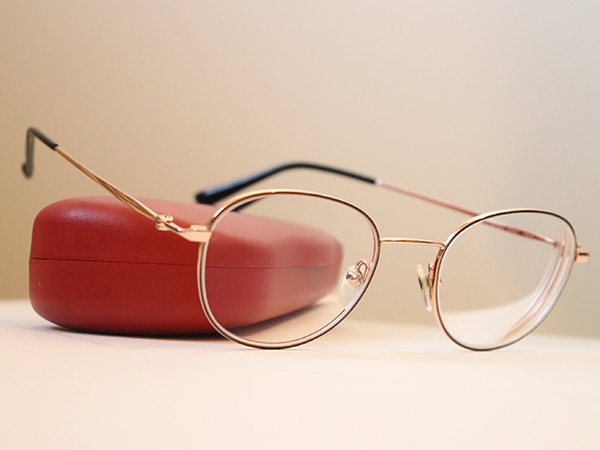
All Eye Care Services
Find personalized eye care excellence with our comprehensive services. From eye exams to advanced diagnostics, trust us for all your vision needs.
Keep In Touch
For non-urgent questions or to learn more about our services, contact us today!
Quick Links
Contact Info
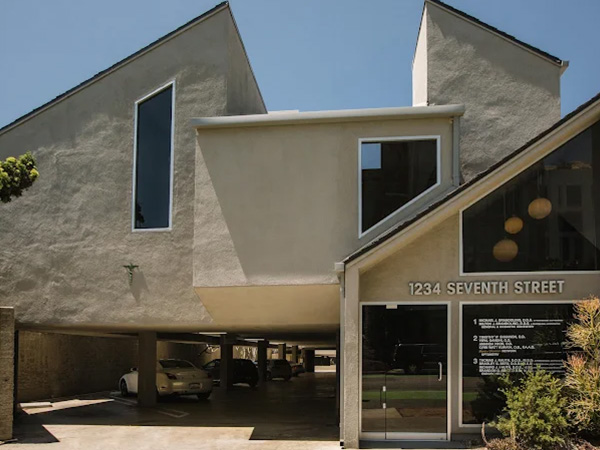
- 1234 7th Street Suite #2
Santa Monica, CA 90401 - Phone: (310) 395-5778
- Fax: (310) 458-9754
Hours of Operation
- Monday 8:00am - 4:30pm*
- Tuesday 8:00am - 4:30pm**
- Wednesday 8:00am - 4:30pm*
- Thursday 8:00am - 4:30pm*
- Friday 8:00am - 4:30pm*
- Saturday Call the office for limited Saturday availability
- Sunday Closed
- Please note the following:
* We are closed 12:00 - 1:00 for lunch on Monday, Wednesday, and Thursday.
** We are closed 12:30 - 1:30 for lunch on Tuesday and Friday. - Monday
- Tuesday
- Wednesday
- Thursday
- Friday
- Saturday
- Sunday
- Monday
- Tuesday
- Wednesday
- Thursday
- Friday
- Saturday
- Sunday
© 2026 Golden State Optometry. All rights Reserved -
Accessibility Statement
-
Privacy Policy
-
Sitemap
Managed and Designed by 