
Services
Eyecare Services in Santa Monica
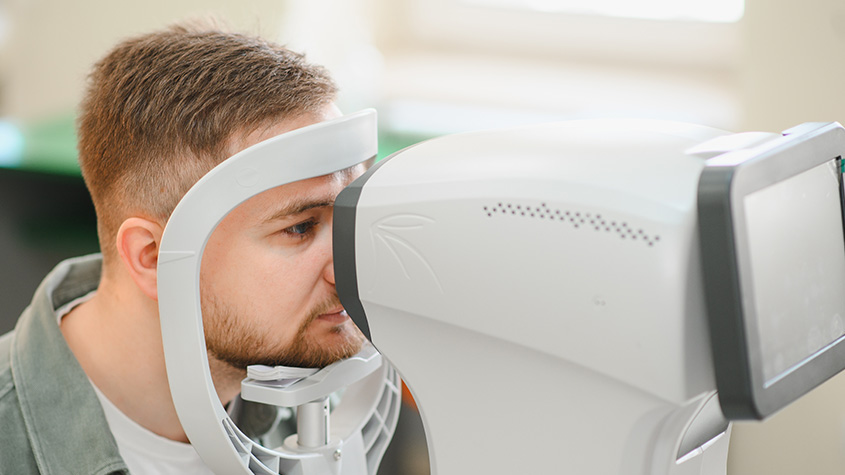
Comprehensive Eye Exams
Most people come in thinking this is just about reading letters off a chart. It’s not — a comprehensive exam is really a full check-up for your eyes and, in a lot of cases, an early warning system for the rest of your health. Conditions like diabetes and high blood pressure often show up in the eyes before a patient even knows something’s wrong.
Learn More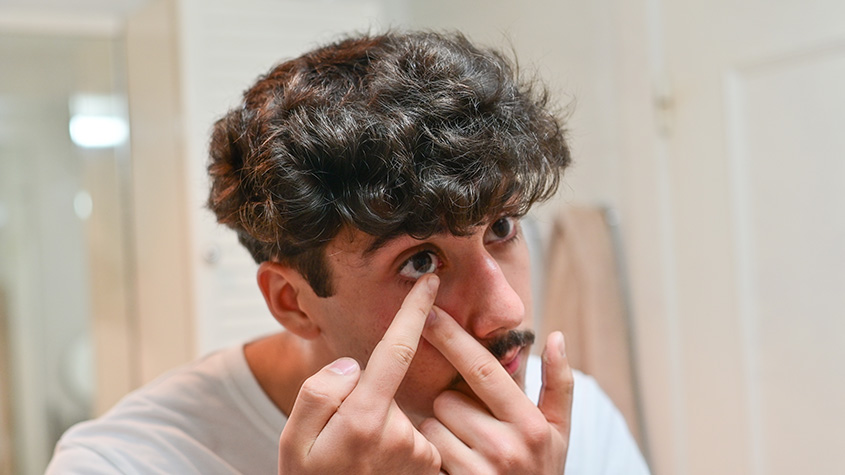
Contact Lens Exams
A contact lens exam is its own thing — separate from a general eye exam, and it surprises people every time we explain why. Contacts sit directly on your eye, which means fit, curvature, and even how your tear film behaves all matter in a way that doesn’t come up with glasses.
Learn More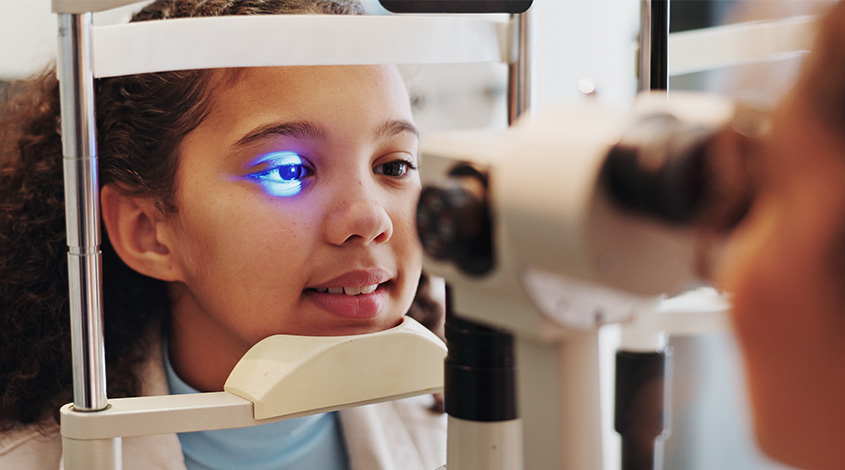
Pediatric Eye Care
Kids don’t know what normal vision is supposed to look like — if one eye is blurry or their eyes aren’t tracking quite right, they usually just assume that’s how everyone sees. That’s exactly why early exams matter so much; a lot of childhood vision problems are silent until a teacher or parent notices something like squinting, sitting too close to the TV, or falling behind in reading.
Learn More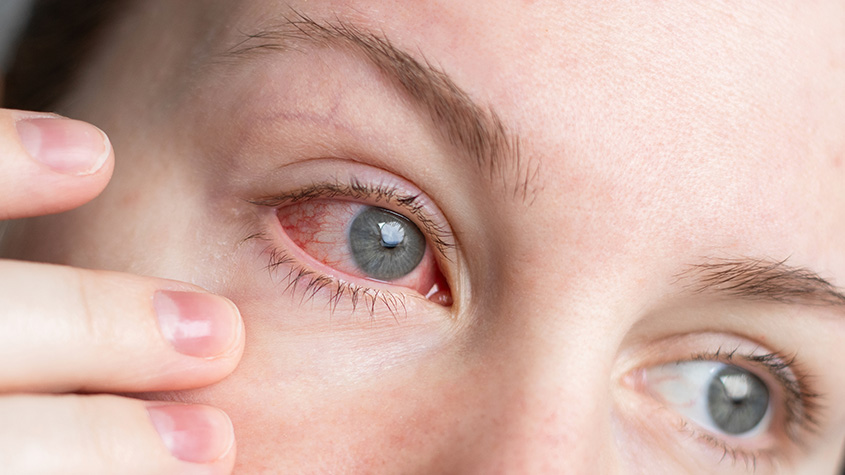
Emergency Eye Exams
Eye emergencies don’t wait for a convenient time, and we know it’s stressful trying to figure out whether something needs urgent care, an ER, or can wait for a regular appointment. If you’re dealing with sudden vision loss, eye pain, flashes of light, a foreign object in the eye, or an injury, call us first — we hold space for same-day urgent visits specifically for situations like this.
Learn More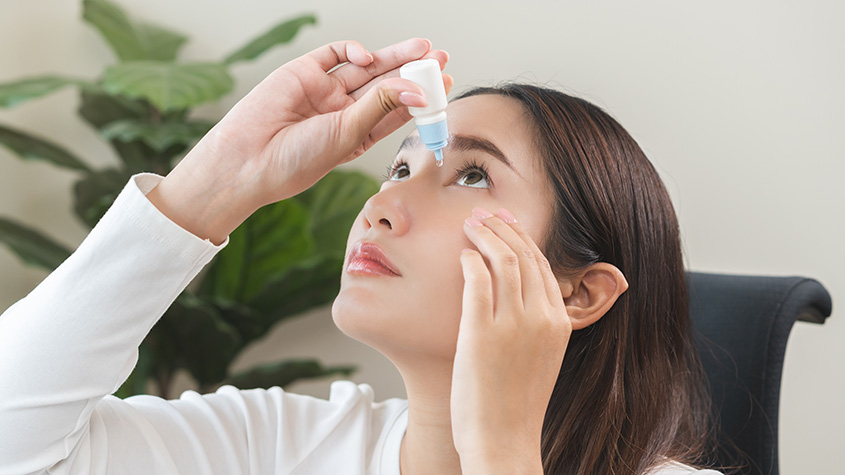
Dry Eye Treatment
Dry eye gets dismissed a lot — as “just getting older,” or something to fix with a bottle of drops. For a lot of our patients, it’s actually an ongoing condition that responds much better to a real treatment plan than to guesswork at the drugstore.
Learn More
Myopia Control
If your child’s nearsightedness is getting worse every year, that’s not just an inconvenience of needing new glasses — myopia that progresses significantly in childhood is linked to higher risk of eye conditions later in life. Myopia control is about slowing that progression down, not just correcting it after the fact.
Learn More
Orthokeratology
Orthokeratology (we’ll just call it ortho-k) is one of those treatments that sounds almost too good to be true until someone explains how it actually works: you wear a specially designed rigid lens overnight, it gently reshapes your cornea while you sleep, and you wake up seeing clearly without glasses or daytime contact
Learn More
Macular Degeneration (AMD)
Age-related macular degeneration affects your central vision — the part you use for reading, recognizing faces, and driving — while leaving peripheral vision mostly intact. It’s one of the leading causes of vision loss in adults over 50, and one of the trickiest, because early stages often have no noticeable symptoms at all.
Learn More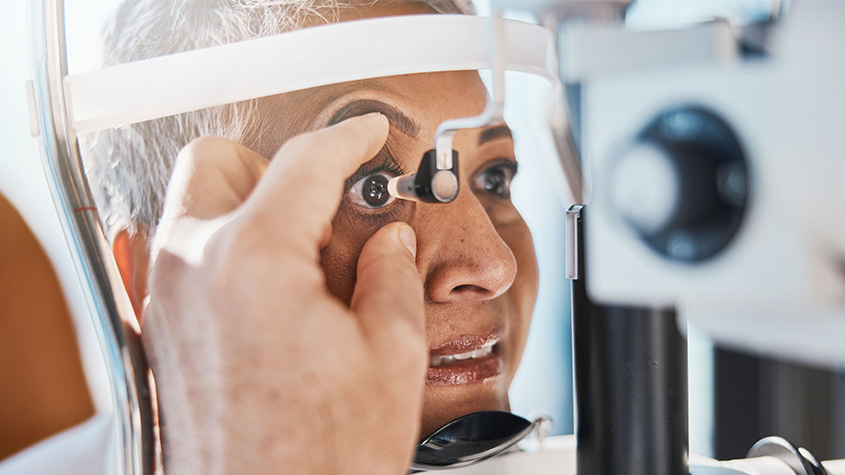
Glaucoma
Glaucoma has a reputation as “the silent thief of sight,” and it’s earned it — it typically causes no pain and no early symptoms, while quietly damaging the optic nerve. By the time someone notices a change in their vision on their own, meaningful, permanent damage has often already occurred.
Learn More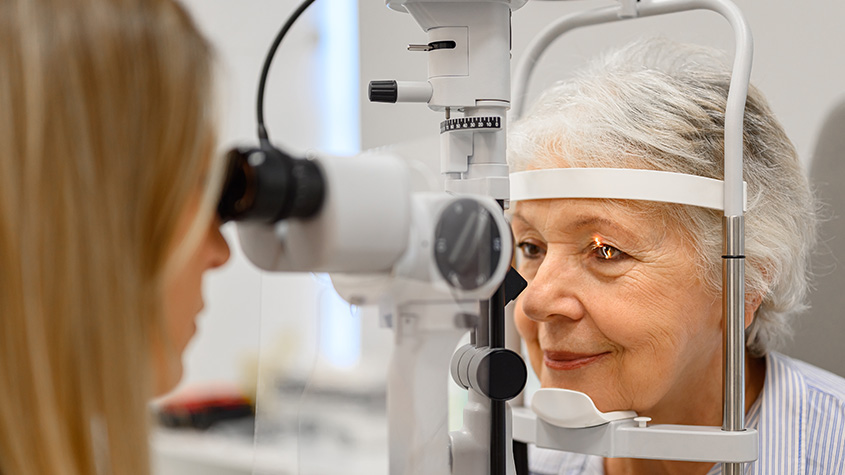
Diabetic Retinopathy
If you have diabetes, your eyes are one of the first places damage can show up — high blood sugar over time can damage the blood vessels in the retina, sometimes long before you’d notice any change in your vision. That’s why a detailed annual eye exam is considered a standard part of diabetes care, not an optional extra.
Learn More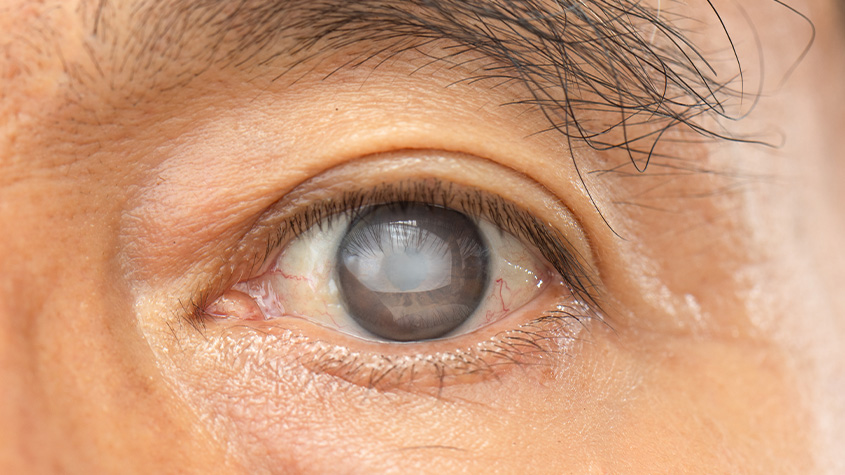
Cataracts
Cataracts develop so gradually that most people don’t notice them happening — colors slowly seem a bit duller, night driving gets harder, reading in dim light takes more effort. It’s less a sudden event and more a slow fade that’s easy to write off as “just getting older,” until it starts genuinely getting in the way of daily life.
Learn More
Lenses & Frames
At Golden State Optometry, we believe that style and vision go hand in hand. Our carefully curated collection of eyeglass frames offers a perfect blend of fashion and function.
Learn MoreQuick Links
Contact Info
- 1234 7th Street Suite #2
Santa Monica, CA 90401 - Phone: (310) 395-5778
- Fax: (310) 458-9754
Hours of Operation
- Monday 8:00am - 4:30pm*
- Tuesday 8:00am - 4:30pm**
- Wednesday 8:00am - 4:30pm*
- Thursday 8:00am - 4:30pm*
- Friday 8:00am - 4:30pm*
- Saturday Call the office for limited Saturday availability
- Sunday Closed
- Please note the following:
* We are closed 12:00 - 1:00 for lunch on Monday, Wednesday, and Thursday.
** We are closed 12:30 - 1:30 for lunch on Tuesday and Friday. - Monday
- Tuesday
- Wednesday
- Thursday
- Friday
- Saturday
- Sunday
- Monday
- Tuesday
- Wednesday
- Thursday
- Friday
- Saturday
- Sunday
© 2026 Golden State Optometry. All rights Reserved -
Accessibility Statement
-
Privacy Policy
-
Sitemap
Managed and Designed by 