
Cataract Treatment Has Come a Long Way
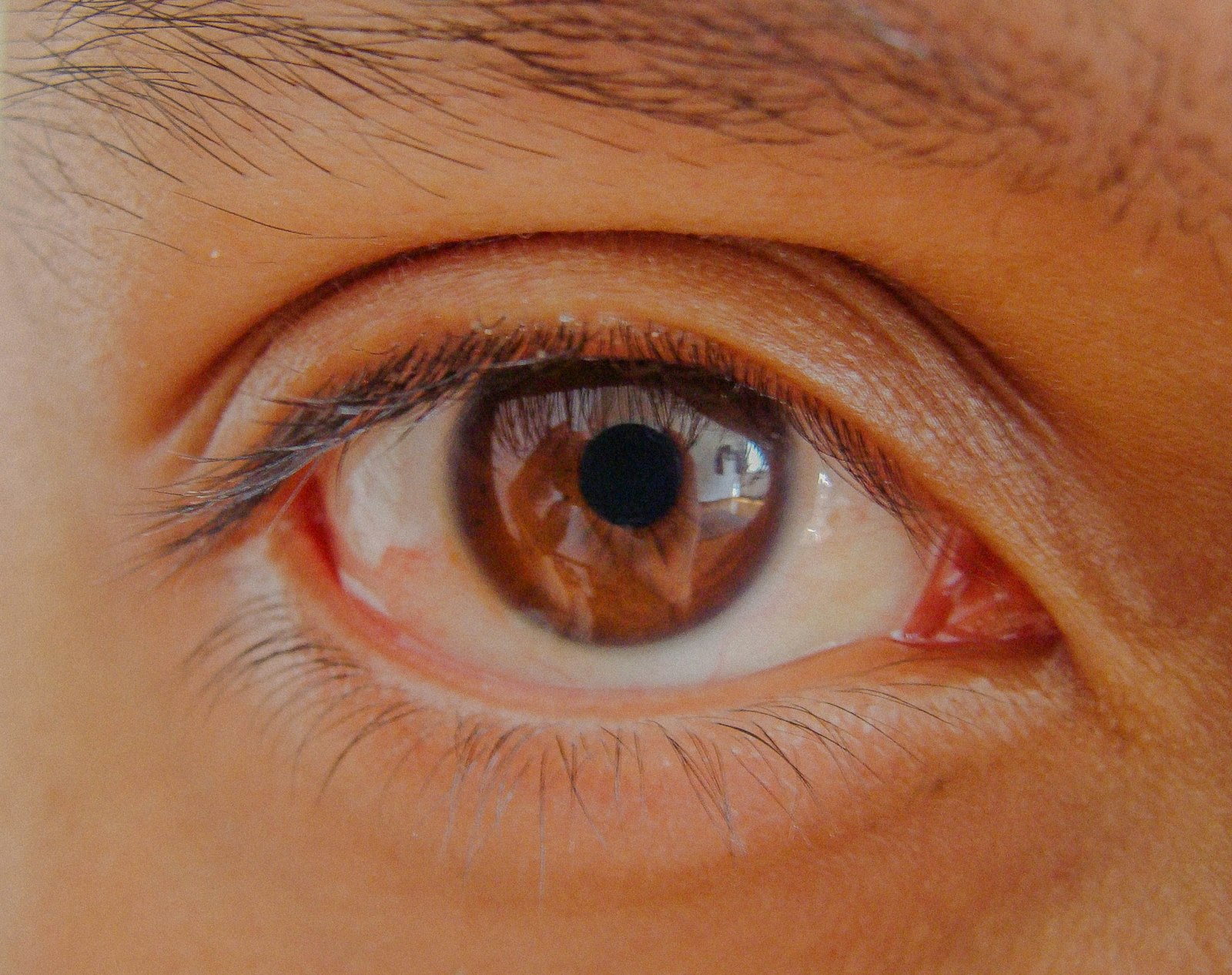
Cataracts have been a major cause of blindness throughout history.
The journey from ancient remedies to contemporary treatments reflects a profound evolution in medical science. In the United States alone, over 20 million adults over 40 are affected by cataracts, with the likelihood of occurrence increasing with age.
Understanding Cataracts
A cataract develops when proteins in the eye's lens, which is naturally clear, begin to clump together, creating opacity. This leads to various symptoms including light sensitivity, blurred or dimmed vision, glare and halos around lights, double vision in one eye, fading colors, poor night vision, and frequent changes in vision prescription, ultimately leading to potential blindness if untreated.
Historical Treatments for Cataracts
The earliest recorded attempts at cataract treatment date back to around 600 BC with a technique known as "couching." This involved using a blunt instrument to dislodge the cloudy lens, a rudimentary method that was only slightly preferable to total blindness due to the resultant lack of focus. Over the centuries, this method saw little advancement until the 18th century.
In 1747, French surgeon Jacques Daviel made a significant breakthrough by successfully removing a cataract without displacing the lens entirely. This method, combined with the use of topical anesthesia, marked substantial progress in cataract surgery. However, it would be many more years before a method was developed to replace the clouded lens with a clear synthetic alternative.
Claude Monet: A Famous Case Study in Cataract Surgery
Claude Monet, the renowned French Impressionist, suffered from cataracts in his mid-fifties, which is evident from the increasing muddiness in his paintings during that period. Initially hesitant due to the poor outcomes of his contemporaries' surgeries, Monet eventually opted for surgery in 1923 after his condition worsened. Even though he was a famously belligerent patient who didn't want to follow his doctor's orders during recovery, the surgery, paired with corrective glasses, markedly improved his vision, allowing him to return to his earlier style of painting.
Modern Advances in Cataract Surgery
Today, cataract surgery has become a routine procedure with an incredible success rate of approximately 99%. Modern techniques utilize advanced materials like silicone and plastics, allowing the clouded lens to be replaced with a clear, artificial one, often eliminating the need for glasses post-surgery. Annually, three million Americans undergo this procedure, with many achieving vision restoration to near-perfect levels.
The Reversibility of Cataract-Induced Blindness
Currently, cataract surgery is one of the most effective means to reverse vision loss caused by cataracts. If you're experiencing any symptoms like those described, it's crucial to seek an eye examination. With today's medical advancements, living with vision loss from cataracts is largely preventable. Our practice is dedicated to ensuring your vision remains clear throughout your life, reflecting our commitment to leveraging the latest in eye care technology and treatment.
We're here to help you see clearly!
The content on this blog is not intended to be a substitute for professional medical advice, diagnosis, or treatment. Always seek the advice of qualified health providers with questions you may have regarding medical conditions.
Quick Links
All Eye Care Services
Dry Eye Treatment in Santa Monica
Dry eyes rarely have one cause, so we don’t start with a prescription. We start by finding out why your eyes are dry, then build a plan around daily habits and home care, because that is what makes the biggest difference. If you need more, we offer IPL, radiofrequency (RF), punctal plugs, and prescription treatments, with a follow-up plan so you always know what comes next.
Myopia Management for Kids in Santa Monica
If your child’s prescription keeps getting stronger, it’s worth acting early. We start myopia evaluations at age 4. We’ll explain what rising nearsightedness can mean over time and what to expect as school demands grow and puberty arrives. Then we choose an option your child will accept: atropine drops, Stellest lenses, MiSight contact lenses, or orthokeratology (overnight lenses). We check progress every few months and adjust as your child grows.
Specialty Contact Lens Evaluations in Santa Monica
Told that contact lenses won’t work for you? Often there is a way. We evaluate multifocal, scleral, mini-scleral, and hybrid lenses, including lenses for keratoconus and for eyes after surgery. With corneal topography and trial lenses in every style, we find what works for your eyes. We have helped patients who were told elsewhere that contacts weren’t an option.
Find personalized eye care excellence with our comprehensive services. From eye exams to advanced diagnostics, trust us for all your vision needs.
Keep In Touch
For non-urgent questions or to learn more about our services, contact us today!
Quick Links
Contact Info
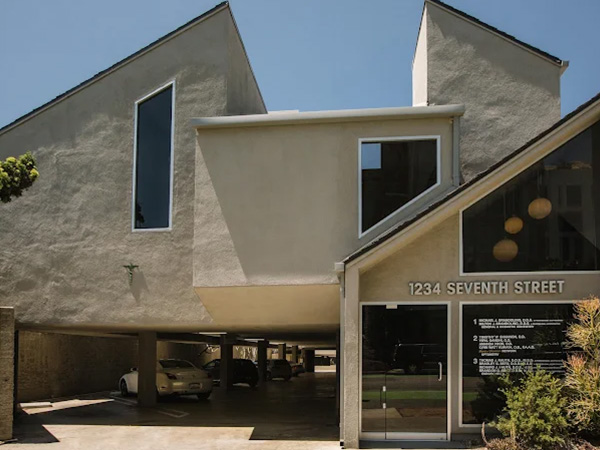
- 1234 7th Street Suite #2
Santa Monica, CA 90401 - Phone: (310) 395-5778
- Fax: (310) 458-9754
Hours of Operation
- Monday 8:00am - 4:30pm*
- Tuesday 8:00am - 4:30pm**
- Wednesday 8:00am - 4:30pm*
- Thursday 8:00am - 4:30pm*
- Friday 8:00am - 4:30pm**
- Saturday Closed
- (Select Saturday appointments are available by request. Call or text (310) 395-5778 to check availability.)
- Sunday Closed
- Please note the following:
* We are closed 12:00 - 1:00 for lunch on Monday, Wednesday, and Thursday.
** We are closed 12:30 - 1:30 for lunch on Tuesday and Friday. - Monday
- Tuesday
- Wednesday
- Thursday
- Friday
- Saturday
- Sunday
- Monday
- Tuesday
- Wednesday
- Thursday
- Friday
- Saturday
- Sunday
© 2026 Golden State Optometry. All rights Reserved -
Accessibility Statement
-
Privacy Policy
-
Sitemap
Managed and Designed by 