Cataracts And Lifelong Vision Care

Cataracts are the most common cause of vision loss in people over the age of 40 and are the principal cause of blindness throughout the world.
Considering the prevalence of this medical condition, we want to make sure you know the facts about cataracts, their signs and symptoms, and treatment options.
What Is A Cataract?
The lenses in our eyes are made up of mostly water and protein, with the proteins arranged in a specific way so as to keep the lens clear and let light pass through. Sometimes, these proteins can clump together causing the lens to become clouded—this is a cataract. Over time, the protein clumps that make up cataracts can grow larger, causing blurred vision and making it harder to see and even resulting in blindness.
Be Aware Of The Signs
Cataracts may begin small, and without you even noticing any changes in your vision. Over time, the cloudy area will get larger and your vision may become dull or blurry. It may look like looking through a cloudy piece of glass. Here are some common symptoms of cataracts:
- Clouded, blurred or dim vision
- Increasing difficulty with vision at night
- Sensitivity to light and glare
- Seeing “halos” around lights
- Frequent changes in eyeglass or contact lens prescription
- Fading or yellowing of colors
- Double vision in a single eye
Causes And Risk Factors
There are several potential causes for cataracts, but most are due to age-related changes in the lens. That being said, some risk factors include:
- Diabetes
- Smoking
- UV radiation
- Hypertension
- Obesity
- Family history
- Significant alcohol consumption
Prevention
Although cataracts cannot always be prevented, there are a few simple practices that can help ensure healthy vision. Simple things such as wearing sunglasses and hats to protect your eyes from the sun, or eating a nutrient-rich diet full of fruits and vegetables are simple, everyday practices that can help maintain eye health over time.
Treatment Options
Fortunately, cataracts can be treated with full restoration of vision. Early symptoms may be improved with new eyeglasses, brighter lighting, anti-glare sunglasses, or magnifying lenses. If these measures do not help, surgery is the only effective treatment.
Surgical cataract removal is the most frequently performed surgery in the United States. It is a simple and highly successful procedure that consists of removing the clouded lens from the eye and replacing it with a clear, artificial lens. While each person heals differently, many patients report clear vision within hours of the surgery.
Your Lifelong Health Is Our Priority
As your lifelong care provider, each Vision Source® member is committed to helping you achieve clear and healthy vision. As you age, watch for changes in your vision, as well as for signs of cataracts. We want to make sure you get the most accurate information and excellent care for your individual needs!
Thank you for reading our blog and being a valued patient and friend!
Find a Vision Source® practice near you using our search tool.
Top image by Flickr user Joi Ito used under Creative Commons Attribution-Sharealike 4.0 license. Image cropped and modified from original.
The content on this blog is not intended to be a substitute for professional medical advice, diagnosis, or treatment. Always seek the advice of qualified health providers with questions you may have regarding medical conditions.
Quick Links
All Eye Care Services
Dry Eye Treatment in Santa Monica
Dry eyes rarely have one cause, so we don’t start with a prescription. We start by finding out why your eyes are dry, then build a plan around daily habits and home care, because that is what makes the biggest difference. If you need more, we offer IPL, radiofrequency (RF), punctal plugs, and prescription treatments, with a follow-up plan so you always know what comes next.
Myopia Management for Kids in Santa Monica
If your child’s prescription keeps getting stronger, it’s worth acting early. We start myopia evaluations at age 4. We’ll explain what rising nearsightedness can mean over time and what to expect as school demands grow and puberty arrives. Then we choose an option your child will accept: atropine drops, Stellest lenses, MiSight contact lenses, or orthokeratology (overnight lenses). We check progress every few months and adjust as your child grows.
Specialty Contact Lens Evaluations in Santa Monica
Told that contact lenses won’t work for you? Often there is a way. We evaluate multifocal, scleral, mini-scleral, and hybrid lenses, including lenses for keratoconus and for eyes after surgery. With corneal topography and trial lenses in every style, we find what works for your eyes. We have helped patients who were told elsewhere that contacts weren’t an option.
Find personalized eye care excellence with our comprehensive services. From eye exams to advanced diagnostics, trust us for all your vision needs.
Keep In Touch
For non-urgent questions or to learn more about our services, contact us today!
Quick Links
Contact Info
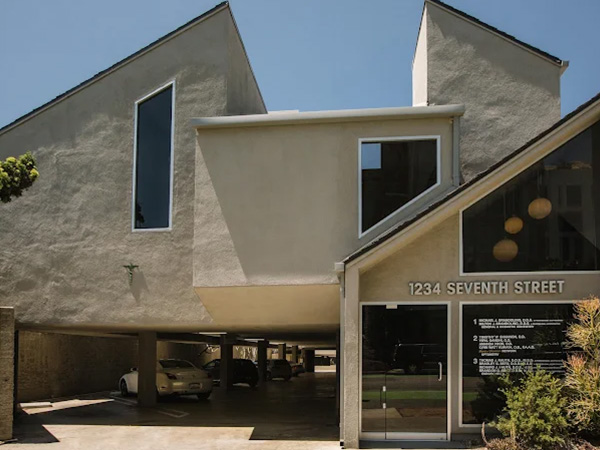
- 1234 7th Street Suite #2
Santa Monica, CA 90401 - Phone: (310) 395-5778
- Fax: (310) 458-9754
Hours of Operation
- Monday 8:00am - 4:30pm*
- Tuesday 8:00am - 4:30pm**
- Wednesday 8:00am - 4:30pm*
- Thursday 8:00am - 4:30pm*
- Friday 8:00am - 4:30pm**
- Saturday Closed
- (Select Saturday appointments are available by request. Call or text (310) 395-5778 to check availability.)
- Sunday Closed
- Please note the following:
* We are closed 12:00 - 1:00 for lunch on Monday, Wednesday, and Thursday.
** We are closed 12:30 - 1:30 for lunch on Tuesday and Friday. - Monday
- Tuesday
- Wednesday
- Thursday
- Friday
- Saturday
- Sunday
- Monday
- Tuesday
- Wednesday
- Thursday
- Friday
- Saturday
- Sunday
© 2026 Golden State Optometry. All rights Reserved -
Accessibility Statement
-
Privacy Policy
-
Sitemap
Managed and Designed by 