
Do You Know How Color Blindness Works?
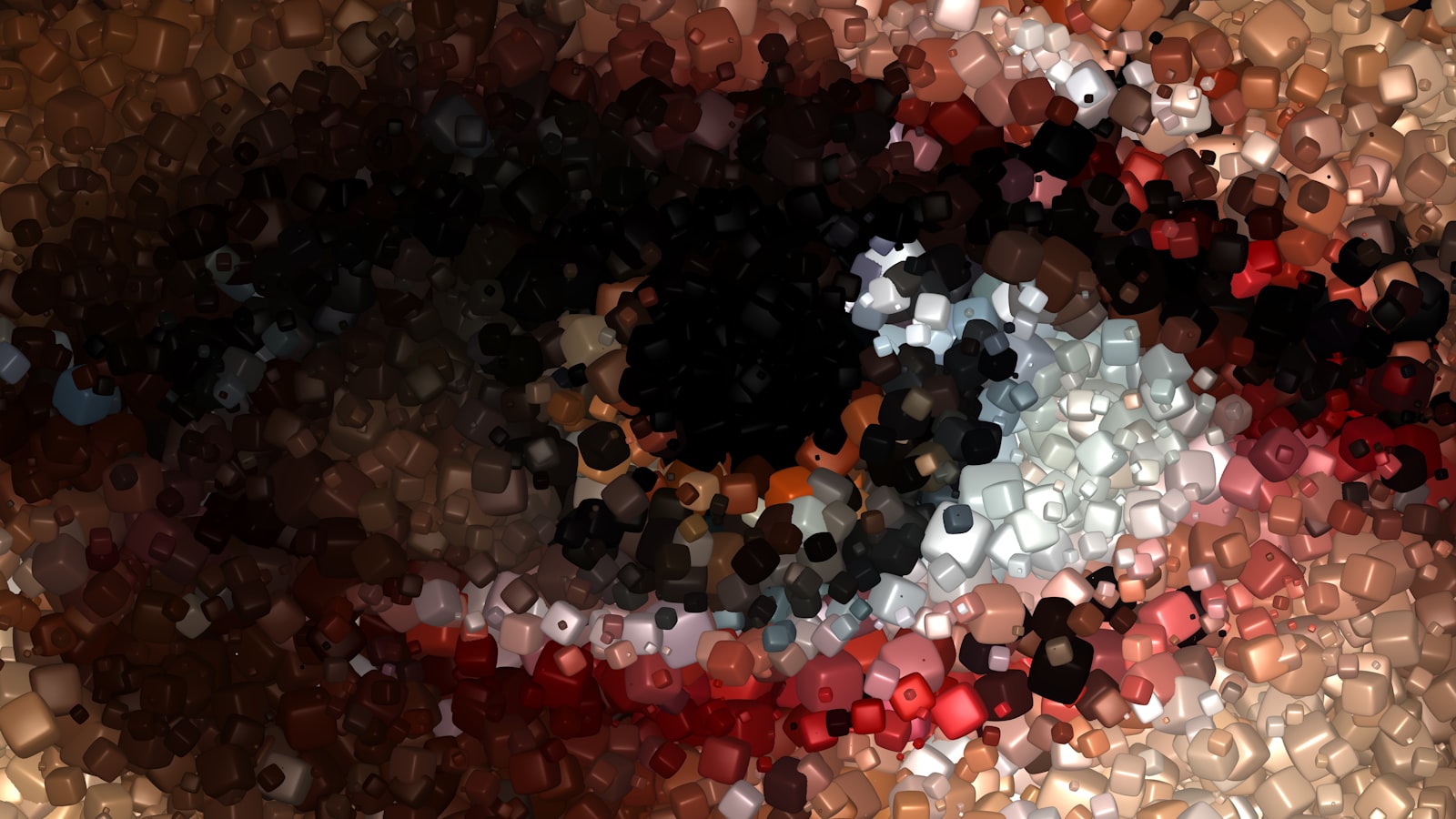
It’s easy to assume that being colorblind means living in a black-and-white film full time, but that’s not how it works in the vast majority of cases.
Color Vision And Genetics
A recessive gene located on the X chromosome is the main culprit behind most color blindness, which is why men are much more likely to be colorblind than women. A woman could have one copy of the gene, but because she also has a copy of the gene for normal color vision, she has no problems seeing the full range of colors. She could still pass the color blindness gene on to her children, though.
Men only have one X chromosome to begin with, so they are either colorblind or not, and their daughters will be carriers of the color blindness gene as well. Overall, about eight percent of men are colorblind, but less than one percent of women are.
Functioning Color Vision
To understand color blindness, it helps to know how our color vision works. Our color vision comes from specialized cells in our retinas called cones. In normal color vision, there are cones that see short (blue), medium (green, and long (red) wavelengths, and they work together so that we can distinguish the colors in between. Old TVs and computer monitors worked in a similar way. If you look closely at their screens, you’ll notice pixels with red, green, and blue stripes.
The Many Types Of Color Blindness
Color blindness happens when one or more of the types of cones is missing or failing to do its job correctly. The most common type is red-green color blindness. Whether the green cones aren’t working (deuteranomaly) or the red cones (protanomaly), the outcome is essentially the same: a landscape with a lot of dull, yellowish-brown colors.
Less common is blue-yellow color blindness (tritanopia), which is what happens when the blue cones are the problem. This leaves you with in a teal, pink, and brown reality. Only five percent of colorblind people have tritanopia.
The rarest form of color blindness is monochromacy, or complete color blindness. Finally, that black-and-white movie idea is actually accurate. Seeing in grayscale isn’t where it ends for monochromats, though. Without functioning cones to give them sharp detail vision, their eyesight might be fuzzy in a way that glasses can’t fix, and bright light is often painful.
Treatment Is Possible...In Some Cases
Not all color blindness happens the same way, even if the outcome looks the same. If you are dichromatic, it means your eyes are completely missing one of the three cone types, but if you are an anomalous trichromat, then some of your cones are simply responding to a wider range of light wavelengths than they should, overlapping with the others.
Anomalous trichromacy is more common than dichromacy, which is good news! When the overlap isn’t too great, it can be counteracted by wearing special glasses that block wavelengths of light that trigger both types of cones, opening up a whole new world of colors!
Are You Or Someone You Know Colorblind?
There are many resources available to help people living with color blindness. The first step is to determine how severe the color blindness is and what type it is. Schedule an appointment with us so that we can help you get what you need to make things easier!
Your lifelong vision health is our top priority!
Top image used under CC0 Public Domain license. Image cropped and modified from original.
The content on this blog is not intended to be a substitute for professional medical advice, diagnosis, or treatment. Always seek the advice of qualified health providers with questions you may have regarding medical conditions.
Quick Links
All Eye Care Services
Dry Eye Treatment in Santa Monica
Dry eyes rarely have one cause, so we don’t start with a prescription. We start by finding out why your eyes are dry, then build a plan around daily habits and home care, because that is what makes the biggest difference. If you need more, we offer IPL, radiofrequency (RF), punctal plugs, and prescription treatments, with a follow-up plan so you always know what comes next.
Myopia Management for Kids in Santa Monica
If your child’s prescription keeps getting stronger, it’s worth acting early. We start myopia evaluations at age 4. We’ll explain what rising nearsightedness can mean over time and what to expect as school demands grow and puberty arrives. Then we choose an option your child will accept: atropine drops, Stellest lenses, MiSight contact lenses, or orthokeratology (overnight lenses). We check progress every few months and adjust as your child grows.
Specialty Contact Lens Evaluations in Santa Monica
Told that contact lenses won’t work for you? Often there is a way. We evaluate multifocal, scleral, mini-scleral, and hybrid lenses, including lenses for keratoconus and for eyes after surgery. With corneal topography and trial lenses in every style, we find what works for your eyes. We have helped patients who were told elsewhere that contacts weren’t an option.
Find personalized eye care excellence with our comprehensive services. From eye exams to advanced diagnostics, trust us for all your vision needs.

Keep In Touch
For non-urgent questions or to learn more about our services, contact us today!
Quick Links
Contact Info
- 1234 7th Street Suite #2
Santa Monica, CA 90401 - Phone: (310) 395-5778
- Fax: (310) 458-9754
Hours of Operation
- Monday 8:00am - 4:30pm*
- Tuesday 8:00am - 4:30pm**
- Wednesday 8:00am - 4:30pm*
- Thursday 8:00am - 4:30pm*
- Friday 8:00am - 4:30pm**
- Saturday Closed
- (Select Saturday appointments are available by request. Call or text (310) 395-5778 to check availability.)
- Sunday Closed
- Please note the following:
* We are closed 12:00 - 1:00 for lunch on Monday, Wednesday, and Thursday.
** We are closed 12:30 - 1:30 for lunch on Tuesday and Friday. - Monday
- Tuesday
- Wednesday
- Thursday
- Friday
- Saturday
- Sunday
- Monday
- Tuesday
- Wednesday
- Thursday
- Friday
- Saturday
- Sunday
© 2026 Golden State Optometry. All rights Reserved -
Accessibility Statement
-
Privacy Policy
-
Sitemap
Managed and Designed by 