
How Do I Know if I Have Glaucoma? | Vision Source

It is estimated that 3 million Americans have glaucoma, but only half know they do.
Glaucoma is serious eye disease and the second leading cause of vision loss and blindness in the world. The two most common forms of glaucoma are Primary Open-Angle Glaucoma and Acute Angle-Closure Glaucoma.
What are the Symptoms of Primary Open-Angle Glaucoma?
Open-angle glaucoma is often called "the silent thief of sight" because it has no symptoms until permanent vision loss has occurred. Symptoms in late stages of the disease include:
- Gradual loss of peripheral vision, usually in both eyes
- Blank spots in your field of vision
- Tunnel vision in the advanced stages
Regular eye exams are the key to detecting this type of glaucoma early enough to successfully treat your condition and prevent further progression.
What are the Symptoms of Acute Angle-Closure Glaucoma?
Angle-closure glaucoma is a rarer form of glaucoma, which develops very quickly and demands immediate medical attention.
In contrast with open-angle glaucoma, symptoms of acute angle-closure glaucoma are very noticeable and damage occurs quickly. If you experience any of these symptoms, seek immediate care:
- Eye pain
- Nausea and vomiting (accompanying the severe eye pain)
- Sudden onset of visual disturbance, often in low light
- Blurred vision
- Headache
- Nausea
- Halos around lights
- Reddening of the eye
Who Is at Risk of Developing Glaucoma?
Since chronic forms of glaucoma can destroy your vision before any signs or symptoms appear, here is a list of higher risk factors:
- Elevated intraocular (internal) eye pressure
- Age - If you are over 40
- Ethnic background - African Americans, Asians and Japanese have a higher risk
- Family history of glaucoma
- Medical conditions - Such as diabetes or high blood pressure
- Long-term corticosteroid use
When to See a Doctor
The American Academy of Ophthalmology recommends a comprehensive eye exam for all adults starting at age 40, and every three to five years after that if you do not have any glaucoma risk factors.
If you have other risk factors or you are older than age 60, you should be screened every one to two years. If you are African-American, your doctor will likely recommend periodic eye exams starting between ages 20 and 39.
If you are at higher-risk for developing glaucoma or believe you have symptoms related to glaucoma, please contact your Vision Source eye professional today to schedule a comprehensive eye exam.
Quick Links
All Eye Care Services
Dry Eye Treatment in Santa Monica
Dry eyes rarely have one cause, so we don’t start with a prescription. We start by finding out why your eyes are dry, then build a plan around daily habits and home care, because that is what makes the biggest difference. If you need more, we offer IPL, radiofrequency (RF), punctal plugs, and prescription treatments, with a follow-up plan so you always know what comes next.
Myopia Management for Kids in Santa Monica
If your child’s prescription keeps getting stronger, it’s worth acting early. We start myopia evaluations at age 4. We’ll explain what rising nearsightedness can mean over time and what to expect as school demands grow and puberty arrives. Then we choose an option your child will accept: atropine drops, Stellest lenses, MiSight contact lenses, or orthokeratology (overnight lenses). We check progress every few months and adjust as your child grows.
Specialty Contact Lens Evaluations in Santa Monica
Told that contact lenses won’t work for you? Often there is a way. We evaluate multifocal, scleral, mini-scleral, and hybrid lenses, including lenses for keratoconus and for eyes after surgery. With corneal topography and trial lenses in every style, we find what works for your eyes. We have helped patients who were told elsewhere that contacts weren’t an option.
Find personalized eye care excellence with our comprehensive services. From eye exams to advanced diagnostics, trust us for all your vision needs.
Keep In Touch
For non-urgent questions or to learn more about our services, contact us today!
Quick Links
Contact Info
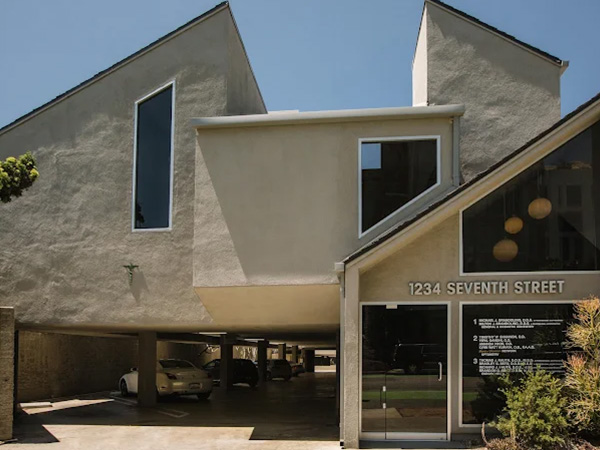
- 1234 7th Street Suite #2
Santa Monica, CA 90401 - Phone: (310) 395-5778
- Fax: (310) 458-9754
Hours of Operation
- Monday 8:00am - 4:30pm*
- Tuesday 8:00am - 4:30pm**
- Wednesday 8:00am - 4:30pm*
- Thursday 8:00am - 4:30pm*
- Friday 8:00am - 4:30pm**
- Saturday Closed
- (Select Saturday appointments are available by request. Call or text (310) 395-5778 to check availability.)
- Sunday Closed
- Please note the following:
* We are closed 12:00 - 1:00 for lunch on Monday, Wednesday, and Thursday.
** We are closed 12:30 - 1:30 for lunch on Tuesday and Friday. - Monday
- Tuesday
- Wednesday
- Thursday
- Friday
- Saturday
- Sunday
- Monday
- Tuesday
- Wednesday
- Thursday
- Friday
- Saturday
- Sunday
© 2026 Golden State Optometry. All rights Reserved -
Accessibility Statement
-
Privacy Policy
-
Sitemap
Managed and Designed by 