Helpful Winter Eye Care Tips | Vision Source

When the snow and cold of winter begin to roll in, we often take steps to protect ourselves from the impending cold and flu season. But it may surprise you to know that the cold of winter may have a few potential risks in store for our vision as well.
3 Factors That Impact Vision in Winter
#1: Dry Air
As outdoor temperatures drop during the winter, the air becomes colder and can no longer hold as much atmospheric water vapor–humidity–as warmer air present during the rest of the year. Cold winter winds are especially dehydrating to our eyes and skin which are comprised mostly of water. When the air is dry, the eye surface—which is 99 percent water—loses moisture content to accelerated evaporation and can become dry, dehydrated and irritated.
#2: Reflected UV Radiation
It’s commonly known that excessive UV exposure from direct sunlight puts us at greater risk for skin cancer and can even lead to cataracts—hence the reason we’re advised to wear sunglasses and sunscreen during long periods of outdoor activity. UV radiation can also be reflected from the snow and while it may not always cause a sunburn, it poses just as great a threat to our vision health.
#3: Indoor Air
Dry air isn’t just problematic outside during the cooler months. When we heat our homes during the winter, the cold, dry air from outside is heated up and forced indoors. Warm dry air is even more dehydrating than cool dry air and creates an uncomfortable and dehydrating environment for our eyes and skin. Recirculated indoor air also contains other dehydrating factors such as ambient skin flora and bacteria, in far greater amounts than fresh outdoor air.
Maintaining Healthy Winter Vision Is Simple
Although the cold, dry air of winter may not be ideal for optimal vision health, there are plenty of solutions to keep your eyes clear, comfortable, and healthy, such as:
- Keep your eyes moist. Placing houseplants or a humidifier in your home can drastically improve dry indoor air conditions. Moisturizing eye drops can relieve dry eyes as well. Feel free to ask your Vision Source® optometrist which drops would be right for you.
- Wear sunglasses in the winter. Choose sunglasses with UV protection to ensure your vision is safe from snow-reflected sunshine.
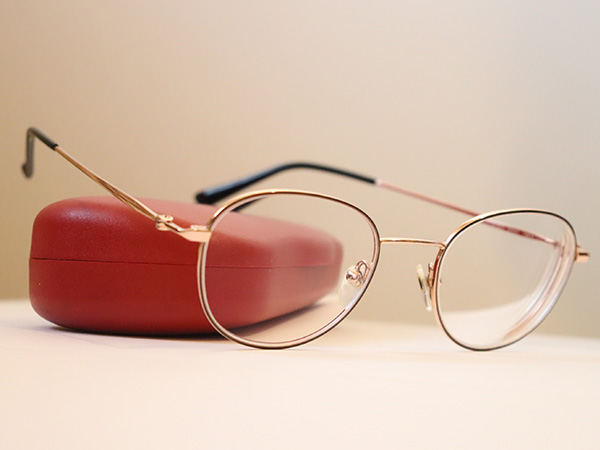
- Consider wearing eyeglasses more frequently than contact lenses. Regular eyeglasses do a better job of protecting your eyes from the cold winter winds and can even help hold heat and moisture close to the eyes.
We Want To Help Protect Your Vision All Year Long
Whether you’re enjoying a warm summer day on the beach or taking in a brisk winter day on the slopes, we want to ensure your vision is as clear and comfortable as possible. If you have any questions about how to protect your vision this season, please let us know! We are committed to providing unique, personalized care for each of our valued patients, no matter what season it is.
Thank you for reading our blog and for making us your lifelong vision health partner!
Find a Vision Source® practice near you using our search tool.
Top image by Flickr user farhad sadykov used under Creative Commons Attribution-Sharealike 4.0 license. Image cropped and modified from original.
The content on this blog is not intended to be a substitute for professional medical advice, diagnosis, or treatment. Always seek the advice of qualified health providers with questions you may have regarding medical conditions.
Quick Links
All Eye Care Services
Dry Eye Treatment in Santa Monica
Dry eyes rarely have one cause, so we don’t start with a prescription. We start by finding out why your eyes are dry, then build a plan around daily habits and home care, because that is what makes the biggest difference. If you need more, we offer IPL, radiofrequency (RF), punctal plugs, and prescription treatments, with a follow-up plan so you always know what comes next.
Myopia Management for Kids in Santa Monica
If your child’s prescription keeps getting stronger, it’s worth acting early. We start myopia evaluations at age 4. We’ll explain what rising nearsightedness can mean over time and what to expect as school demands grow and puberty arrives. Then we choose an option your child will accept: atropine drops, Stellest lenses, MiSight contact lenses, or orthokeratology (overnight lenses). We check progress every few months and adjust as your child grows.
Specialty Contact Lens Evaluations in Santa Monica
Told that contact lenses won’t work for you? Often there is a way. We evaluate multifocal, scleral, mini-scleral, and hybrid lenses, including lenses for keratoconus and for eyes after surgery. With corneal topography and trial lenses in every style, we find what works for your eyes. We have helped patients who were told elsewhere that contacts weren’t an option.
Find personalized eye care excellence with our comprehensive services. From eye exams to advanced diagnostics, trust us for all your vision needs.
Keep In Touch
For non-urgent questions or to learn more about our services, contact us today!
Quick Links
Contact Info
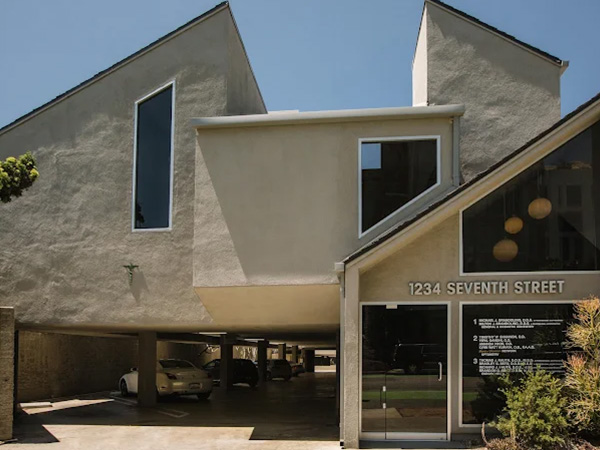
- 1234 7th Street Suite #2
Santa Monica, CA 90401 - Phone: (310) 395-5778
- Fax: (310) 458-9754
Hours of Operation
- Monday 8:00am - 4:30pm*
- Tuesday 8:00am - 4:30pm**
- Wednesday 8:00am - 4:30pm*
- Thursday 8:00am - 4:30pm*
- Friday 8:00am - 4:30pm**
- Saturday Closed
- (Select Saturday appointments are available by request. Call or text (310) 395-5778 to check availability.)
- Sunday Closed
- Please note the following:
* We are closed 12:00 - 1:00 for lunch on Monday, Wednesday, and Thursday.
** We are closed 12:30 - 1:30 for lunch on Tuesday and Friday. - Monday
- Tuesday
- Wednesday
- Thursday
- Friday
- Saturday
- Sunday
- Monday
- Tuesday
- Wednesday
- Thursday
- Friday
- Saturday
- Sunday
© 2026 Golden State Optometry. All rights Reserved -
Accessibility Statement
-
Privacy Policy
-
Sitemap
Managed and Designed by 