
Interesting Facts About Human Eye Colors
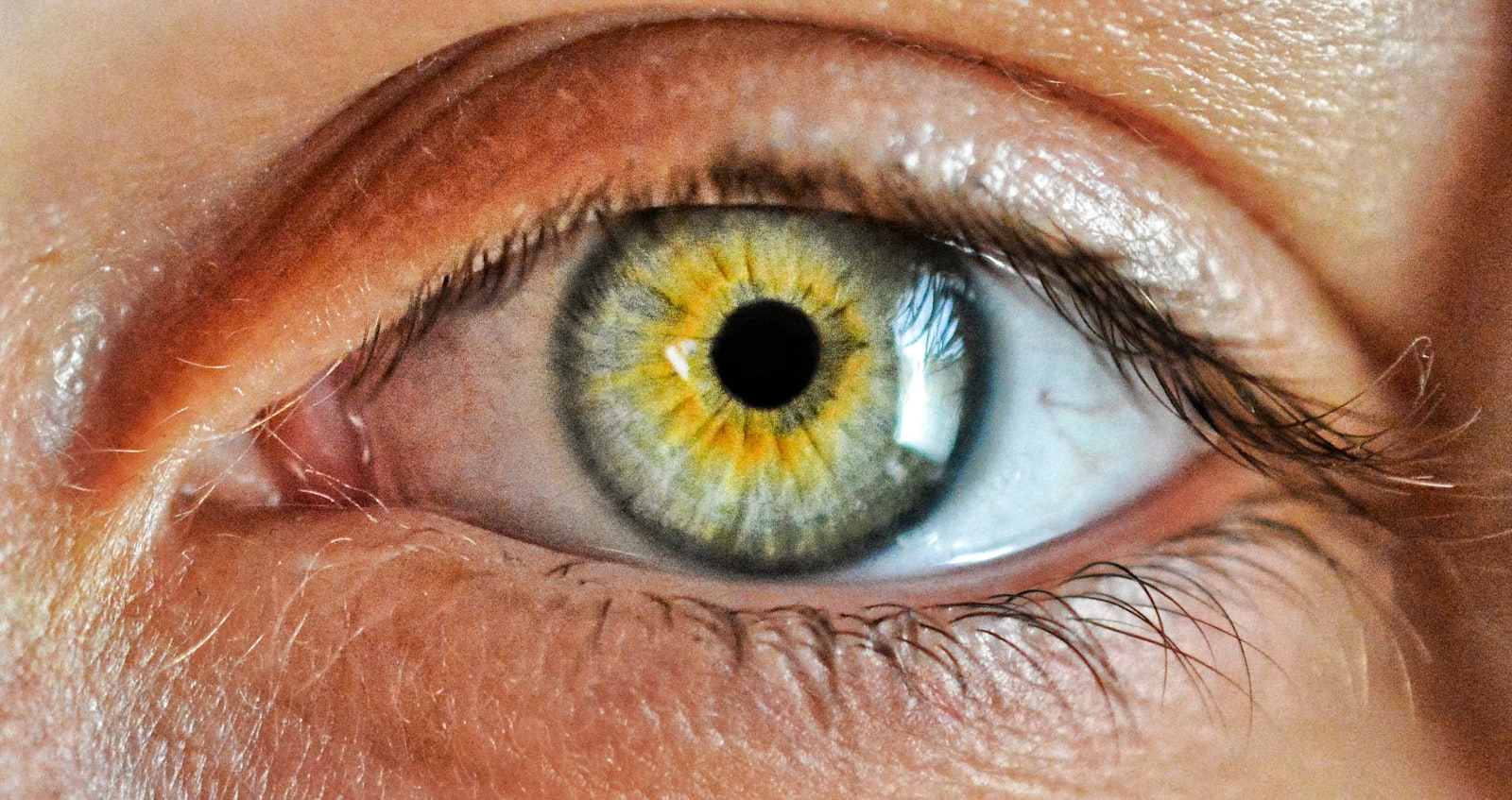
One of the eye's most captivating features is the variety of colors it can display.
As eye care professionals, we're privileged to observe this diversity every day in our practice. Here are some fascinating facts about eye color that might surprise both you and your patients.
The Science Behind Eye Color
Eye color is determined primarily by the amount and distribution of melanin in the iris. Contrary to popular belief, there's no blue, green, or hazel pigment in the eye. Brown eyes contain high concentrations of melanin, while blue eyes have very little. Interestingly, blue eyes appear blue due to the Rayleigh scattering of light — the same phenomenon that makes the sky look blue. Green and hazel eyes fall somewhere in between, with moderate melanin levels combined with light scattering effects.
Brown Eyes Dominate Globally
Approximately 79% of the world's population has brown eyes, making it the most common eye color. This prevalence is partly because the genes for brown eyes are dominant. However, eye color genetics are more complex than the simple Mendelian inheritance models many of us learned in school. Scientists have identified at least 16 different genes that influence eye color, which explains why two brown-eyed parents can occasionally have a blue-eyed child.
Blue Eyes Share a Common Ancestor
Research suggests that all blue-eyed individuals can trace their ancestry back to a single person who lived near the Black Sea approximately 6,000 to 10,000 years ago. A genetic mutation affecting the OCA2 gene in this individual essentially "turned off" the ability to produce brown eyes in their descendants. This makes all blue-eyed people distant relatives.
Eyes Can Change Color
While dramatic changes are rare, eye color can shift throughout life. Most babies are born with blue or gray eyes because melanin production isn't fully active at birth. By age three, most children have developed their permanent eye color. In adults, certain medical conditions, medications, or trauma can alter eye color. Additionally, some people experience subtle changes based on lighting, clothing colors, or even emotional states, though the iris itself hasn't actually changed.
Heterochromia: Two Different Colored Eyes
Complete heterochromia, where each eye is a completely different color, occurs in less than 1% of the population. This can be genetic or result from injury or disease. Partial heterochromia, where one iris contains two different colors, is more common. Famous examples include David Bowie (though his appearance resulted from anisocoria, not heterochromia) and actress Kate Bosworth.
Green Eyes Are the Rarest
Only about 2% of the world's population has green eyes, making them the rarest eye color. They're most common in people of Northern and Central European descent. The combination of low melanin levels and specific light-scattering properties creates this striking appearance.
No Matter What Color Your Eyes Are, We Want to See Them!
Understanding these facts helps us appreciate the remarkable diversity of our patients and the complex biology behind something we observe daily. The next time you're examining a patient's eyes, take a moment to marvel at the unique beauty before you — each iris tells a story written in genetics, light, and melanin.
Our patients have the most beautiful eyes!
The content on this blog is not intended to be a substitute for professional medical advice, diagnosis, or treatment. Always seek the advice of qualified health providers with questions you may have regarding medical conditions.
Quick Links
All Eye Care Services
Dry Eye Treatment in Santa Monica
Dry eyes rarely have one cause, so we don’t start with a prescription. We start by finding out why your eyes are dry, then build a plan around daily habits and home care, because that is what makes the biggest difference. If you need more, we offer IPL, radiofrequency (RF), punctal plugs, and prescription treatments, with a follow-up plan so you always know what comes next.
Myopia Management for Kids in Santa Monica
If your child’s prescription keeps getting stronger, it’s worth acting early. We start myopia evaluations at age 4. We’ll explain what rising nearsightedness can mean over time and what to expect as school demands grow and puberty arrives. Then we choose an option your child will accept: atropine drops, Stellest lenses, MiSight contact lenses, or orthokeratology (overnight lenses). We check progress every few months and adjust as your child grows.
Specialty Contact Lens Evaluations in Santa Monica
Told that contact lenses won’t work for you? Often there is a way. We evaluate multifocal, scleral, mini-scleral, and hybrid lenses, including lenses for keratoconus and for eyes after surgery. With corneal topography and trial lenses in every style, we find what works for your eyes. We have helped patients who were told elsewhere that contacts weren’t an option.
Find personalized eye care excellence with our comprehensive services. From eye exams to advanced diagnostics, trust us for all your vision needs.
Keep In Touch
For non-urgent questions or to learn more about our services, contact us today!
Quick Links
Contact Info
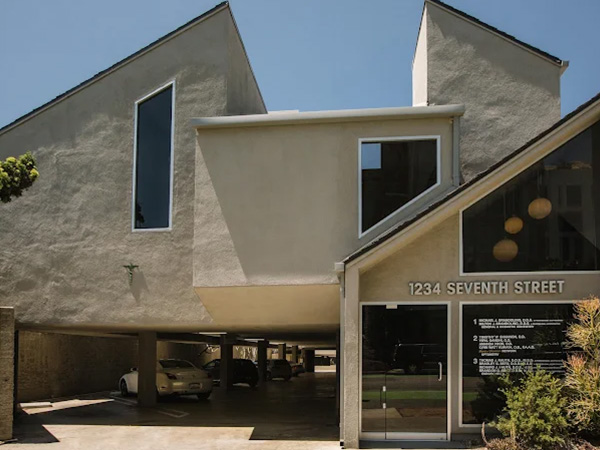
- 1234 7th Street Suite #2
Santa Monica, CA 90401 - Phone: (310) 395-5778
- Fax: (310) 458-9754
Hours of Operation
- Monday 8:00am - 4:30pm*
- Tuesday 8:00am - 4:30pm**
- Wednesday 8:00am - 4:30pm*
- Thursday 8:00am - 4:30pm*
- Friday 8:00am - 4:30pm**
- Saturday Closed
- (Select Saturday appointments are available by request. Call or text (310) 395-5778 to check availability.)
- Sunday Closed
- Please note the following:
* We are closed 12:00 - 1:00 for lunch on Monday, Wednesday, and Thursday.
** We are closed 12:30 - 1:30 for lunch on Tuesday and Friday. - Monday
- Tuesday
- Wednesday
- Thursday
- Friday
- Saturday
- Sunday
- Monday
- Tuesday
- Wednesday
- Thursday
- Friday
- Saturday
- Sunday
© 2026 Golden State Optometry. All rights Reserved -
Accessibility Statement
-
Privacy Policy
-
Sitemap
Managed and Designed by 