
Keratoconus And Eyesight

Do you remember in old cartoons when a character would see a delicious plate of food and his eyes would comically bulge out like footballs?
That pointed cone shape of the eye in such scenes isn’t much different from the effects of keratoconus, a vision disorder in which the cornea (the front part of the eye) goes from being its normal rounded shape to thinner and more pointed.
Cornea Shape And Vision
The different structures of our eyes need to have very specific shapes in order to reflect light onto the light-sensitive retina and enable us to see clearly. The reason many people need glasses at an early age is that their eyes are too long or too short. This makes the image reflected through the lens fall in front of the retina or behind it, making images blurry at different distances.
With keratoconus, because of the misshapen cornea, the image reflected through the lens of the eye becomes distorted at any distance, producing multiple images or warping them before they reach the retina.
Symptoms And Progression Of Keratoconus
In early stages, keratoconus results in slightly blurred and distorted vision, as well as sensitivity to light and glare. Typically these symptoms will appear in the late teens or 20s, and may progress for up to twenty years before slowing. As keratoconus worsens, it can produce double vision, multiple images, glare around lights, and poor night vision.
In rare cases, the thinned cornea may develop a tiny crack because of the strain of the cone-like shape. When a crack forms, the cornea will swell, significantly impacting vision for weeks or months as it heals, leaving a scar behind that also impacts vision.
Vision Correction For Keratoconus
While there are no medications that can prevent keratoconus from progressing, its effects on vision are correctable with glasses or contact lenses in the early stages. Because the eye’s shape is changing over time, these may not fully correct the problem in the later stages, but rigid gas permeable lenses can still produce significant improvements. Regular eye appointments are very important to make sure contact lenses fit properly and continue to correct vision. In particularly severe cases, a corneal transplant may become necessary.
Changes In Your Vision? Schedule an appointment.
If you’ve noticed any changes in your eyesight, whether or not you are within the typical age range for developing keratoconus, it’s time to schedule your next eye appointment. You might only need an updated prescription for your glasses or contact lenses, but the changes could also be due to keratoconus or another more serious condition.
Your optometrist looks forward to seeing you!
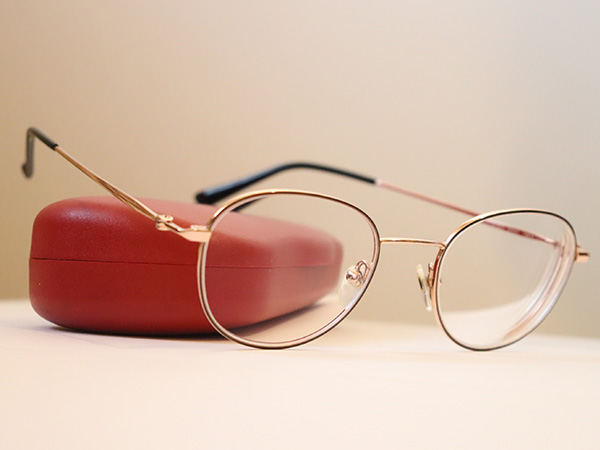
Top image by Flickr user Aaron Stidwell used under Creative Commons Attribution-Sharealike 4.0 license. Image cropped and modified from original.
The content on this blog is not intended to be a substitute for professional medical advice, diagnosis, or treatment. Always seek the advice of qualified health providers with questions you may have regarding medical conditions.
Quick Links
All Eye Care Services
Dry Eye Treatment in Santa Monica
Dry eyes rarely have one cause, so we don’t start with a prescription. We start by finding out why your eyes are dry, then build a plan around daily habits and home care, because that is what makes the biggest difference. If you need more, we offer IPL, radiofrequency (RF), punctal plugs, and prescription treatments, with a follow-up plan so you always know what comes next.
Myopia Management for Kids in Santa Monica
If your child’s prescription keeps getting stronger, it’s worth acting early. We start myopia evaluations at age 4. We’ll explain what rising nearsightedness can mean over time and what to expect as school demands grow and puberty arrives. Then we choose an option your child will accept: atropine drops, Stellest lenses, MiSight contact lenses, or orthokeratology (overnight lenses). We check progress every few months and adjust as your child grows.
Specialty Contact Lens Evaluations in Santa Monica
Told that contact lenses won’t work for you? Often there is a way. We evaluate multifocal, scleral, mini-scleral, and hybrid lenses, including lenses for keratoconus and for eyes after surgery. With corneal topography and trial lenses in every style, we find what works for your eyes. We have helped patients who were told elsewhere that contacts weren’t an option.
Find personalized eye care excellence with our comprehensive services. From eye exams to advanced diagnostics, trust us for all your vision needs.
Keep In Touch
For non-urgent questions or to learn more about our services, contact us today!
Quick Links
Contact Info
- 1234 7th Street Suite #2
Santa Monica, CA 90401 - Phone: (310) 395-5778
- Fax: (310) 458-9754
Hours of Operation
- Monday 8:00am - 4:30pm*
- Tuesday 8:00am - 4:30pm**
- Wednesday 8:00am - 4:30pm*
- Thursday 8:00am - 4:30pm*
- Friday 8:00am - 4:30pm**
- Saturday Closed
- (Select Saturday appointments are available by request. Call or text (310) 395-5778 to check availability.)
- Sunday Closed
- Please note the following:
* We are closed 12:00 - 1:00 for lunch on Monday, Wednesday, and Thursday.
** We are closed 12:30 - 1:30 for lunch on Tuesday and Friday. - Monday
- Tuesday
- Wednesday
- Thursday
- Friday
- Saturday
- Sunday
- Monday
- Tuesday
- Wednesday
- Thursday
- Friday
- Saturday
- Sunday
© 2026 Golden State Optometry. All rights Reserved -
Accessibility Statement
-
Privacy Policy
-
Sitemap
Managed and Designed by 