
Lens Care Tips for Glasses and Contacts

Your lenses are a significant investment in your vision and your health.
Whether you wear glasses, contact lenses, or both, taking care of them properly means clearer vision, fewer replacements, and healthier eyes. Here are some practical tips to keep your lenses in great shape.
Cleaning Your Glasses the Right Way
It might be tempting to give your glasses a quick wipe on your shirt when they get smudged, but this can actually scratch your lenses over time. Fabrics like cotton and polyester can carry dust and debris that grind against lens coatings with every swipe.
Instead, rinse your glasses under lukewarm water first to loosen any particles. Then apply a small drop of lotion-free dish soap to each lens and gently rub both sides with clean fingertips. Rinse thoroughly and dry with a clean microfiber cloth. This simple routine takes less than a minute and makes a real difference in the longevity of your lenses.
Avoid using hot water, as it can damage anti-reflective and other specialty coatings. The same goes for household glass cleaners, which contain chemicals that are too harsh for optical lenses.
Storing Your Glasses Safely
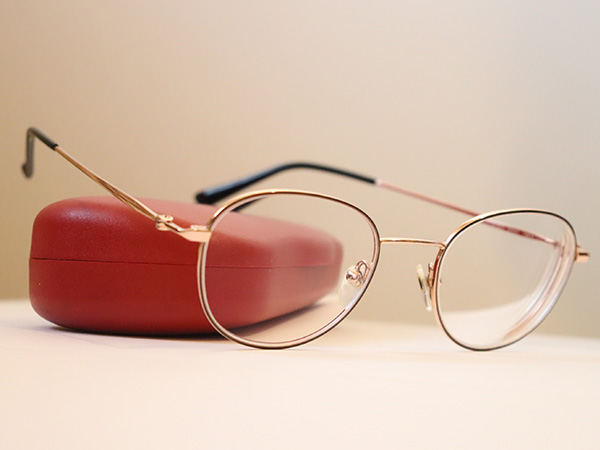
When you're not wearing your glasses, store them in a hard-shell case. Leaving them face-down on a surface is one of the fastest ways to scratch the lenses. If you don't have a case handy, always rest them with the temples open and the lenses facing up.
Keep your glasses away from extreme heat, like car dashboards in summer, which can warp frames and degrade lens coatings. It's also worth keeping a spare microfiber cloth in your case so you always have a safe cleaning option nearby.
Caring for Your Contact Lenses
Contact lens care starts before you ever touch your lenses. Always wash and dry your hands thoroughly before handling contacts. Germs and oils transfer easily from fingertips to lenses, and from there directly to your eyes. Use only the contact lens solution recommended by your eye doctor. Never rinse lenses with tap water, saliva, or any other substitute. Tap water in particular can harbor microorganisms that cause serious eye infections.
Replace your lens case every three months, and rinse it with fresh solution (not water) after each use. Let it air dry face-down on a clean tissue. Old, contaminated cases are a surprisingly common cause of eye infections. Follow your replacement schedule strictly. Daily lenses are designed for one day of wear. Extended-wear lenses have their own timelines. Stretching the schedule may seem harmless, but it increases the risk of protein buildup, discomfort, and infection.
When to See Your Eye Doctor
Even with perfect care habits, your eyes and your prescription can change over time. An annual eye exam helps ensure your lenses are still the right fit and strength for your vision needs. If you notice redness, persistent irritation, or sudden changes in your vision, schedule an appointment sooner rather than later. Good lens care is a small daily commitment that pays off in clearer sight and healthier eyes for years to come.
Bring us your lens care questions!
The content on this blog is not intended to be a substitute for professional medical advice, diagnosis, or treatment. Always seek the advice of qualified health providers with questions you may have regarding medical conditions.
Quick Links
All Eye Care Services
Dry Eye Treatment in Santa Monica
Dry eyes rarely have one cause, so we don’t start with a prescription. We start by finding out why your eyes are dry, then build a plan around daily habits and home care, because that is what makes the biggest difference. If you need more, we offer IPL, radiofrequency (RF), punctal plugs, and prescription treatments, with a follow-up plan so you always know what comes next.
Myopia Management for Kids in Santa Monica
If your child’s prescription keeps getting stronger, it’s worth acting early. We start myopia evaluations at age 4. We’ll explain what rising nearsightedness can mean over time and what to expect as school demands grow and puberty arrives. Then we choose an option your child will accept: atropine drops, Stellest lenses, MiSight contact lenses, or orthokeratology (overnight lenses). We check progress every few months and adjust as your child grows.
Specialty Contact Lens Evaluations in Santa Monica
Told that contact lenses won’t work for you? Often there is a way. We evaluate multifocal, scleral, mini-scleral, and hybrid lenses, including lenses for keratoconus and for eyes after surgery. With corneal topography and trial lenses in every style, we find what works for your eyes. We have helped patients who were told elsewhere that contacts weren’t an option.
Find personalized eye care excellence with our comprehensive services. From eye exams to advanced diagnostics, trust us for all your vision needs.
Keep In Touch
For non-urgent questions or to learn more about our services, contact us today!
Quick Links
Contact Info
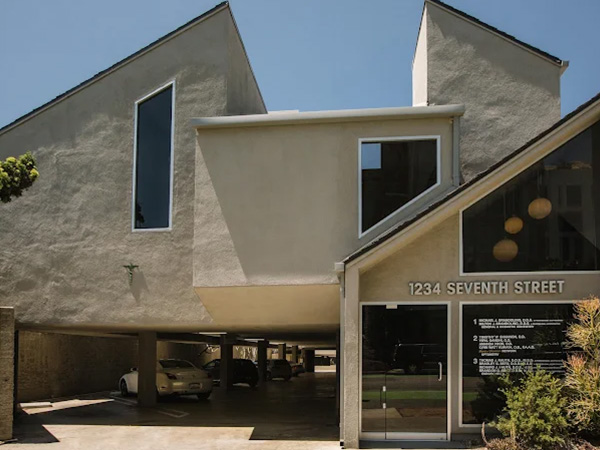
- 1234 7th Street Suite #2
Santa Monica, CA 90401 - Phone: (310) 395-5778
- Fax: (310) 458-9754
Hours of Operation
- Monday 8:00am - 4:30pm*
- Tuesday 8:00am - 4:30pm**
- Wednesday 8:00am - 4:30pm*
- Thursday 8:00am - 4:30pm*
- Friday 8:00am - 4:30pm**
- Saturday Closed
- (Select Saturday appointments are available by request. Call or text (310) 395-5778 to check availability.)
- Sunday Closed
- Please note the following:
* We are closed 12:00 - 1:00 for lunch on Monday, Wednesday, and Thursday.
** We are closed 12:30 - 1:30 for lunch on Tuesday and Friday. - Monday
- Tuesday
- Wednesday
- Thursday
- Friday
- Saturday
- Sunday
- Monday
- Tuesday
- Wednesday
- Thursday
- Friday
- Saturday
- Sunday
© 2026 Golden State Optometry. All rights Reserved -
Accessibility Statement
-
Privacy Policy
-
Sitemap
Managed and Designed by 