
Minimizing the Risk of Home Eye Injuries
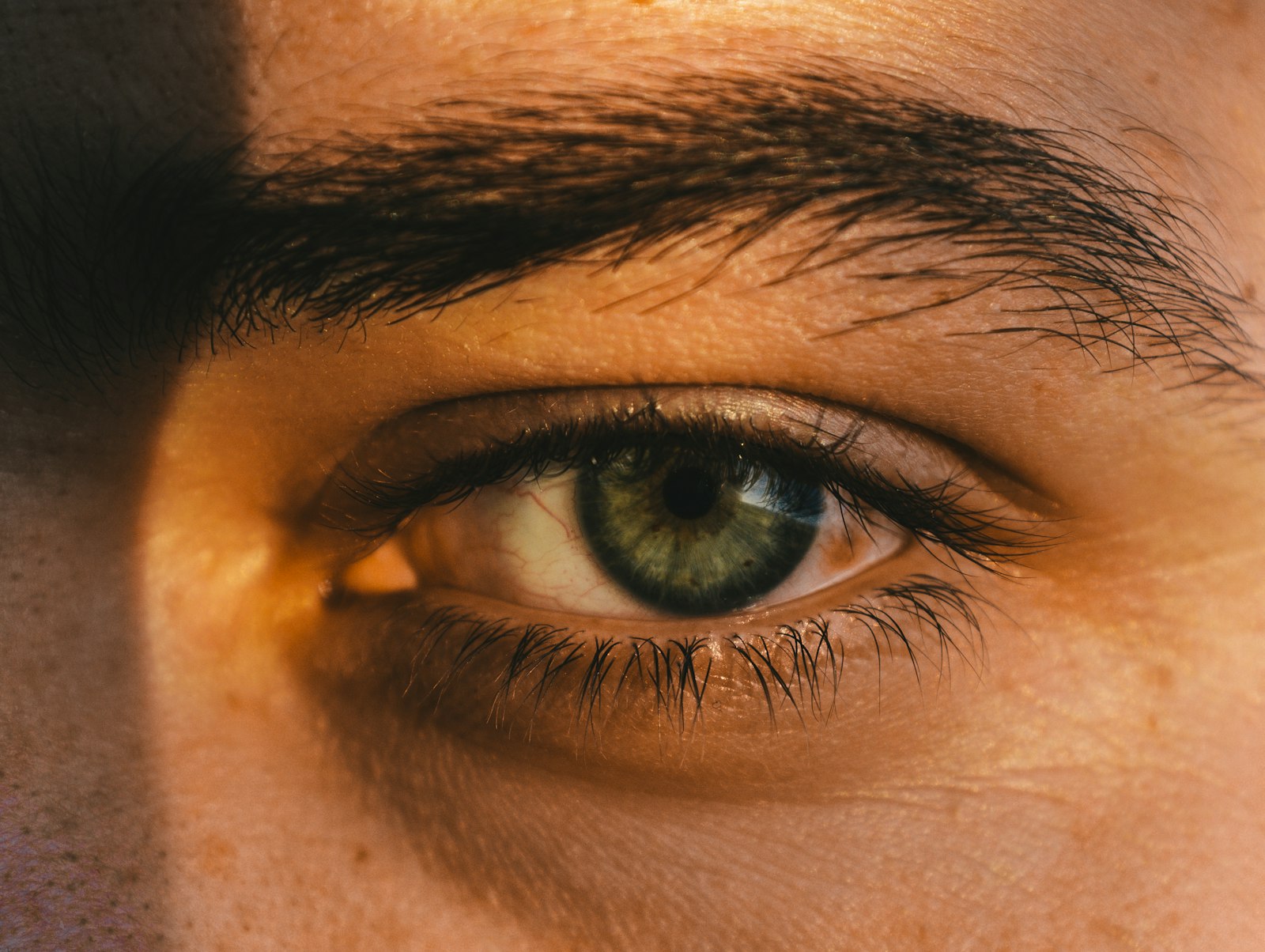
An astounding 90% of eye injuries are preventable.
However, many occur within the safety of our own homes. As we observe Eye Safety Awareness Month this October, it’s crucial to adopt straightforward precautions to safeguard our eyes from everyday risks. Whether it’s handling household chemicals, cooking, or engaging in yard work, understanding and mitigating these hazards can dramatically reduce the likelihood of eye injuries.
Identifying Major Eye Safety Risks at Home
A variety of common household items and activities pose significant risks to our eyes. For instance, a simple trip or fall can turn ordinary objects like pencils or furniture corners into potential threats. Cooking with oil can lead to dangerous splatters, while household cleaners contain harsh chemicals that can severely damage the eyes upon contact. Toys with small parts also present risks, particularly for children.
In the garden or shed, tools and equipment like mowers and weed eaters can propel debris with enough force to injure the eye. Chemicals such as fertilizers, herbicides, and pesticides also require careful handling to avoid accidental splashes or exposure.
Tips for Preventing Eye Injuries at Home
To make your home a safer environment and reduce the risk of eye injuries, consider the following measures:
- Wear Appropriate Protective Eyewear: Safety goggles or glasses are essential when working with airborne particles or hazardous substances. They can be the difference between a minor incident and serious eye damage.
- Eliminate Trip Hazards: Keep floors clear of clutter, secure rugs, and ensure areas with steps or stairs are well-lit and equipped with sturdy railings.
- Prepare Your Yard Before Maintenance: Remove any toys or debris from your lawn to prevent them from becoming projectiles when mowing or using other machinery.
- Handle Chemicals Safely: Always read and follow the instructions on chemical products. Avoid mixing substances that could react dangerously, like bleach and ammonia, and store them out of reach of children and pets.
- Avoid Touching Your Eyes: Especially important when handling chemicals or after touching potentially contaminated surfaces.
Developing an Eye Emergency Plan
Having a plan in place is essential for responding effectively to eye emergencies. Here’s what to do in common situations:
- Severe Injuries: If an object penetrates the eye, do not attempt to remove it. Cover the eye with a rigid shield, like a cut-out bottom of a styrofoam cup, and seek emergency medical attention immediately.
- Minor Foreign Objects: While hospital care is recommended, some small particles can be rinsed out gently with water.
- Any chemical exposure requires immediate flushing with water followed by a trip to the hospital to ensure no residual chemicals remain.
Ask Us for Other Tips on Staying Free of Eye Injuries
Your eye safety is vital, not just during Eye Safety Awareness Month but all year round. If you have any questions about your home eye safety strategies or need to review your emergency plan, don't hesitate to contact us. We're here to help ensure that you and your family’s eyes remain protected.
Enjoy a safe and vigilant Eye Safety Awareness Month!
The content on this blog is not intended to be a substitute for professional medical advice, diagnosis, or treatment. Always seek the advice of qualified health providers with questions you may have regarding medical conditions.
Quick Links
All Eye Care Services
Dry Eye Treatment in Santa Monica
Dry eyes rarely have one cause, so we don’t start with a prescription. We start by finding out why your eyes are dry, then build a plan around daily habits and home care, because that is what makes the biggest difference. If you need more, we offer IPL, radiofrequency (RF), punctal plugs, and prescription treatments, with a follow-up plan so you always know what comes next.
Myopia Management for Kids in Santa Monica
If your child’s prescription keeps getting stronger, it’s worth acting early. We start myopia evaluations at age 4. We’ll explain what rising nearsightedness can mean over time and what to expect as school demands grow and puberty arrives. Then we choose an option your child will accept: atropine drops, Stellest lenses, MiSight contact lenses, or orthokeratology (overnight lenses). We check progress every few months and adjust as your child grows.
Specialty Contact Lens Evaluations in Santa Monica
Told that contact lenses won’t work for you? Often there is a way. We evaluate multifocal, scleral, mini-scleral, and hybrid lenses, including lenses for keratoconus and for eyes after surgery. With corneal topography and trial lenses in every style, we find what works for your eyes. We have helped patients who were told elsewhere that contacts weren’t an option.
Find personalized eye care excellence with our comprehensive services. From eye exams to advanced diagnostics, trust us for all your vision needs.

Keep In Touch
For non-urgent questions or to learn more about our services, contact us today!
Quick Links
Contact Info
- 1234 7th Street Suite #2
Santa Monica, CA 90401 - Phone: (310) 395-5778
- Fax: (310) 458-9754
Hours of Operation
- Monday 8:00am - 4:30pm*
- Tuesday 8:00am - 4:30pm**
- Wednesday 8:00am - 4:30pm*
- Thursday 8:00am - 4:30pm*
- Friday 8:00am - 4:30pm**
- Saturday Closed
- (Select Saturday appointments are available by request. Call or text (310) 395-5778 to check availability.)
- Sunday Closed
- Please note the following:
* We are closed 12:00 - 1:00 for lunch on Monday, Wednesday, and Thursday.
** We are closed 12:30 - 1:30 for lunch on Tuesday and Friday. - Monday
- Tuesday
- Wednesday
- Thursday
- Friday
- Saturday
- Sunday
- Monday
- Tuesday
- Wednesday
- Thursday
- Friday
- Saturday
- Sunday
© 2026 Golden State Optometry. All rights Reserved -
Accessibility Statement
-
Privacy Policy
-
Sitemap
Managed and Designed by 