Presbyopia, Bifocals, and Progressives

Presbyopia is farsightedness caused by the increasing rigidity of the lens in the eye as we age.
It affects nearly everyone older than 65, and for the 42 percent of Americans who are already nearsighted, this creates a complication. People who previously had 20/20 vision can just grab a pair of reading glasses to combat presbyopia, but nearsighted people will need to either pair reading glasses with contact lenses for their nearsightedness or else upgrade their single-prescription glasses to bifocals, trifocals, or progressives.
The Pros and Cons of Bifocals
Bifocals are fairly self-explanatory. One area corrects for nearsightedness and the other area corrects for presbyopia or farsightedness. As presbyopia worsens, it may become necessary to have a middle range for things like reading a computer screen, which is where trifocals come in. They are a simple, effective solution, but not without their flaws.
The hard line between the prescription sections can be very jarring and create an image jump effect in the wearer’s field of vision. And just as having braces carries a connotation of immaturity because most orthodontic patients are teens, bifocals and trifocals have a connotation of advancing age that many would rather avoid.
Progressive Lenses: The Modern Solution for Presbyopia
Anyone who feels that the drawbacks of bifocals outweigh the benefits might do better with progressive lenses. Where bifocals and trifocals are multiple lenses put together like puzzle pieces, a progressive lens is a single lens in which the prescription gradually changes from distance vision at the top to near vision at the bottom, with a middle section if needed in between. Depending on how they tilt their heads, the wearers are able to see clearly at all distances.
The Adjustment Period with Progressive Lenses
With every new lens prescription comes an adjustment period, particularly for your first pair of progressive lenses. Here are a few quick tips to adjust quickly:
- Practice looking at objects at different distances by reading a book and watching TV at the same time.
- Practice moving your head instead of your eyes to see things at different distances.
- Make sure the glasses fit properly so that the corridor of power in the middle of the lens stays where it needs to be.
- Keep wearing your new progressive lenses instead of switching back and forth to your old glasses. Doing that resets the clock on getting used to your new glasses and makes it take longer to get used to them!
Have Questions or Need an Adjustment?
If you’d like to learn more about progressive lenses or if you’re having trouble with yours, give us a call! We want to make sure all our patients are happy with their glasses and able to see comfortably and clearly.
We love our patients!
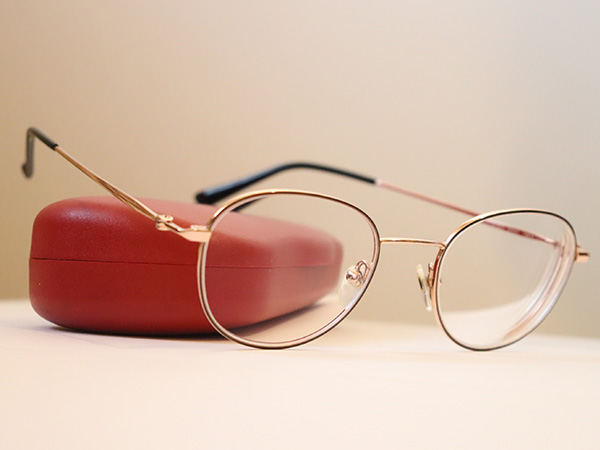
Top image by Flickr user Bill Daly used under Creative Commons Attribution-Sharealike 4.0 license. Image cropped and modified from original.
The content on this blog is not intended to be a substitute for professional medical advice, diagnosis, or treatment. Always seek the advice of qualified health providers with questions you may have regarding medical conditions.
Quick Links
All Eye Care Services
Dry Eye Treatment in Santa Monica
Dry eyes rarely have one cause, so we don’t start with a prescription. We start by finding out why your eyes are dry, then build a plan around daily habits and home care, because that is what makes the biggest difference. If you need more, we offer IPL, radiofrequency (RF), punctal plugs, and prescription treatments, with a follow-up plan so you always know what comes next.
Myopia Management for Kids in Santa Monica
If your child’s prescription keeps getting stronger, it’s worth acting early. We start myopia evaluations at age 4. We’ll explain what rising nearsightedness can mean over time and what to expect as school demands grow and puberty arrives. Then we choose an option your child will accept: atropine drops, Stellest lenses, MiSight contact lenses, or orthokeratology (overnight lenses). We check progress every few months and adjust as your child grows.
Specialty Contact Lens Evaluations in Santa Monica
Told that contact lenses won’t work for you? Often there is a way. We evaluate multifocal, scleral, mini-scleral, and hybrid lenses, including lenses for keratoconus and for eyes after surgery. With corneal topography and trial lenses in every style, we find what works for your eyes. We have helped patients who were told elsewhere that contacts weren’t an option.
Find personalized eye care excellence with our comprehensive services. From eye exams to advanced diagnostics, trust us for all your vision needs.
Keep In Touch
For non-urgent questions or to learn more about our services, contact us today!
Quick Links
Contact Info
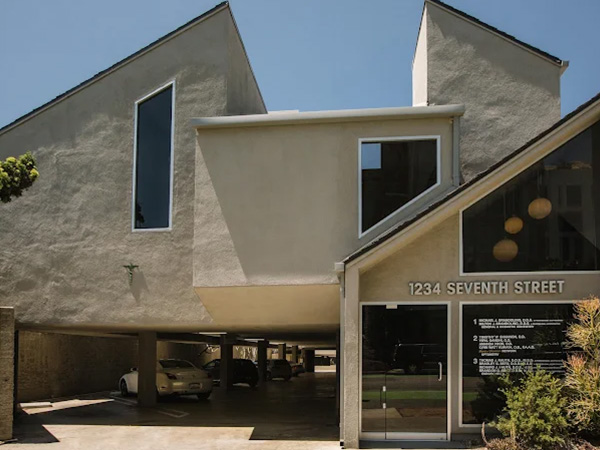
- 1234 7th Street Suite #2
Santa Monica, CA 90401 - Phone: (310) 395-5778
- Fax: (310) 458-9754
Hours of Operation
- Monday 8:00am - 4:30pm*
- Tuesday 8:00am - 4:30pm**
- Wednesday 8:00am - 4:30pm*
- Thursday 8:00am - 4:30pm*
- Friday 8:00am - 4:30pm**
- Saturday Closed
- (Select Saturday appointments are available by request. Call or text (310) 395-5778 to check availability.)
- Sunday Closed
- Please note the following:
* We are closed 12:00 - 1:00 for lunch on Monday, Wednesday, and Thursday.
** We are closed 12:30 - 1:30 for lunch on Tuesday and Friday. - Monday
- Tuesday
- Wednesday
- Thursday
- Friday
- Saturday
- Sunday
- Monday
- Tuesday
- Wednesday
- Thursday
- Friday
- Saturday
- Sunday
© 2026 Golden State Optometry. All rights Reserved -
Accessibility Statement
-
Privacy Policy
-
Sitemap
Managed and Designed by 