
Progressives Versus Bifocals
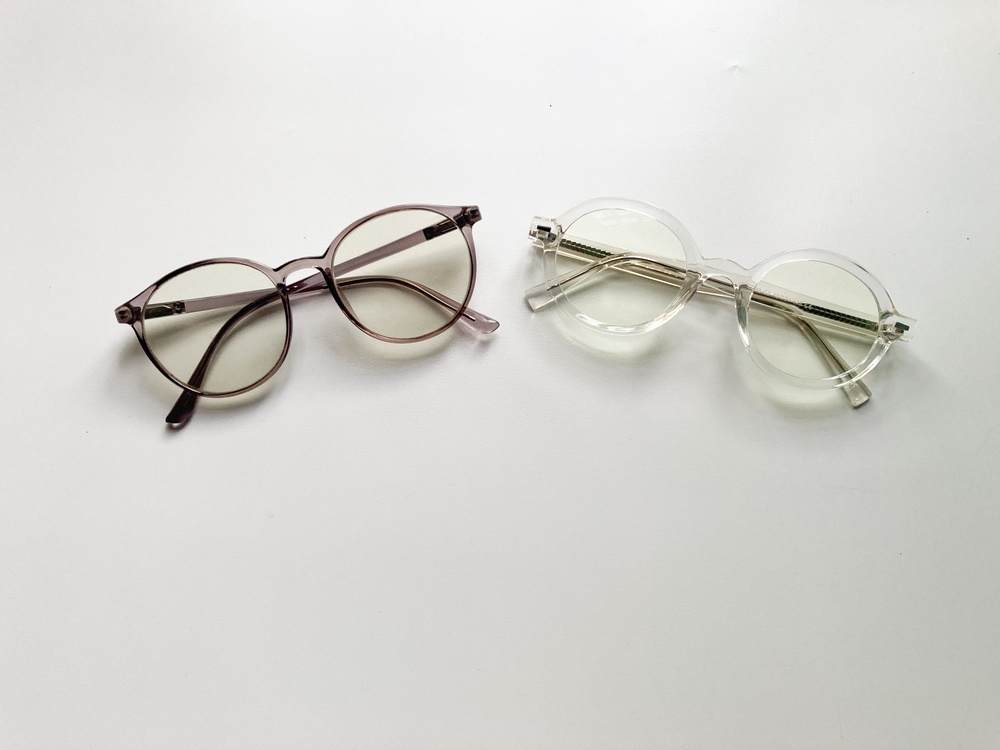
Why do people over the age of forty so often need reading glasses or bifocals?
As the sands of time trickle away, the lenses in our eyes gradually lose their flexibility, leading to a common vision concern known as presbyopia. This optical evolution typically sets in after the age of 40, affecting the majority of individuals. Even those who have never needed glasses find themselves reaching for reading glasses as presbyopia makes its presence known.
For those already acquainted with glasses or contacts, navigating presbyopia can add a layer of complexity to their vision correction strategy. The solution often involves combining contacts with reading glasses, donning bifocals, trifocals (especially for prolonged computer use), or embracing the sleek sophistication of progressive lenses.
Bifocals and Trifocals: Weighing the Pros and Cons
Bifocals simplify the correction process by incorporating two prescriptions into a single pair of glasses. The lower portion addresses presbyopia, while the rest of the lens caters to nearsightedness. As presbyopia progresses, an extra prescription might be necessary to enhance vision at intermediate distances, such as when working on a computer.
Trifocals take this concept further by integrating a third lens for additional clarity. Despite their functionality, these multi-prescription glasses have drawbacks, notably the jarring image jump at the meeting point of different prescriptions. Additionally, they carry a cultural association with middle and old age, which may deter individuals who wish to avoid broadcasting their age through their eyewear.
Seamless Vision: Embracing Progressive Lenses
For those seeking a contemporary and seamless alternative to bifocals and trifocals, progressive lenses emerge as a sleek solution. These lenses seamlessly blend multiple prescriptions into a continuous lens, eliminating the telltale lines of bifocals. A simple tilt of the head allows wearers to transition effortlessly between different distances, providing clarity without the visual interruptions associated with traditional multifocal lenses.
Navigating the Adjustment Period
Adapting to any change in prescription takes time, especially when transitioning to progressive lenses for the first time. Overcoming initial discomfort requires patience, and the following tips can ease the adjustment period:
- Avoid the Temptation to Revert: Resist the urge to switch back to your old glasses when discomfort arises, as this can impede the adaptation process and prolong eye strain symptoms.
- Evaluate the "Corridor of Power": Ensure that looking through the central "corridor of power" feels natural, as any discomfort could indicate an ill-fitting lens that requires adjustment.
- Practice Focusing Techniques: Train your eyes to shift focus between distant and close objects by watching TV while reading.
- Head Movement vs. Eye Movement: Practice moving your head instead of your eyes to achieve clear vision at different distances.
Your Vision Journey with Us
If the clarity of close-up objects is slipping away, take the proactive step of scheduling an appointment with us. Discover more about progressive lenses and determine if they align with your vision needs. During your visit, we'll ensure that your glasses not only enhance your vision but also provide a perfect fit for your face.
We are dedicated to helping our patients see clearly at every stage of life!
Top image used under CC0 Public Domain license. Image cropped and modified from original.
The content on this blog is not intended to be a substitute for professional medical advice, diagnosis, or treatment. Always seek the advice of qualified health providers with questions you may have regarding medical conditions.
Quick Links
All Eye Care Services
Dry Eye Treatment in Santa Monica
Dry eyes rarely have one cause, so we don’t start with a prescription. We start by finding out why your eyes are dry, then build a plan around daily habits and home care, because that is what makes the biggest difference. If you need more, we offer IPL, radiofrequency (RF), punctal plugs, and prescription treatments, with a follow-up plan so you always know what comes next.
Myopia Management for Kids in Santa Monica
If your child’s prescription keeps getting stronger, it’s worth acting early. We start myopia evaluations at age 4. We’ll explain what rising nearsightedness can mean over time and what to expect as school demands grow and puberty arrives. Then we choose an option your child will accept: atropine drops, Stellest lenses, MiSight contact lenses, or orthokeratology (overnight lenses). We check progress every few months and adjust as your child grows.
Specialty Contact Lens Evaluations in Santa Monica
Told that contact lenses won’t work for you? Often there is a way. We evaluate multifocal, scleral, mini-scleral, and hybrid lenses, including lenses for keratoconus and for eyes after surgery. With corneal topography and trial lenses in every style, we find what works for your eyes. We have helped patients who were told elsewhere that contacts weren’t an option.
Find personalized eye care excellence with our comprehensive services. From eye exams to advanced diagnostics, trust us for all your vision needs.

Keep In Touch
For non-urgent questions or to learn more about our services, contact us today!
Quick Links
Contact Info
- 1234 7th Street Suite #2
Santa Monica, CA 90401 - Phone: (310) 395-5778
- Fax: (310) 458-9754
Hours of Operation
- Monday 8:00am - 4:30pm*
- Tuesday 8:00am - 4:30pm**
- Wednesday 8:00am - 4:30pm*
- Thursday 8:00am - 4:30pm*
- Friday 8:00am - 4:30pm**
- Saturday Closed
- (Select Saturday appointments are available by request. Call or text (310) 395-5778 to check availability.)
- Sunday Closed
- Please note the following:
* We are closed 12:00 - 1:00 for lunch on Monday, Wednesday, and Thursday.
** We are closed 12:30 - 1:30 for lunch on Tuesday and Friday. - Monday
- Tuesday
- Wednesday
- Thursday
- Friday
- Saturday
- Sunday
- Monday
- Tuesday
- Wednesday
- Thursday
- Friday
- Saturday
- Sunday
© 2026 Golden State Optometry. All rights Reserved -
Accessibility Statement
-
Privacy Policy
-
Sitemap
Managed and Designed by 