
Stopping AMD in Its Tracks
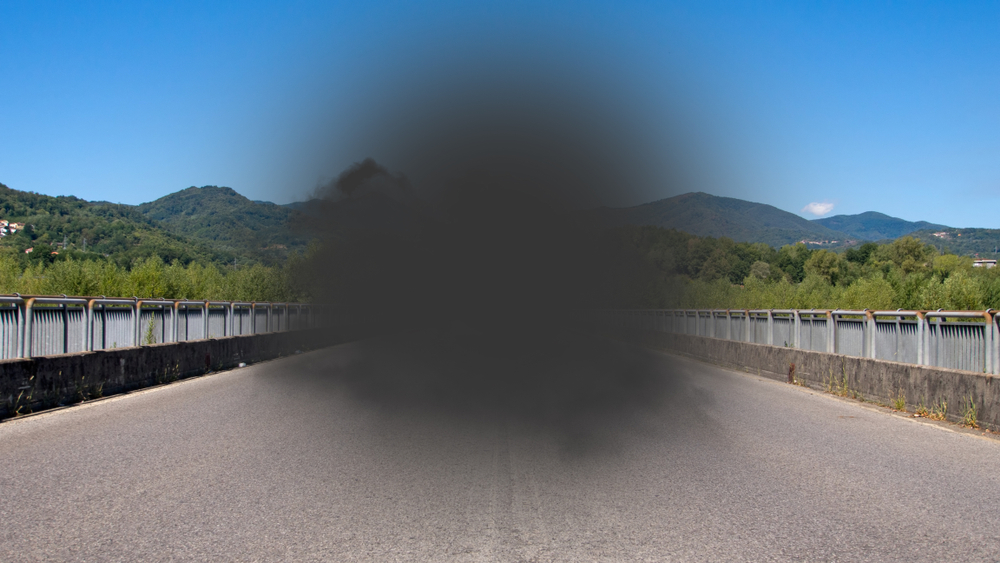
Age-related macular degeneration (AMD) is a leading cause of permanent vision loss for people over fifty.
The slow loss of central vision occurs due to the deterioration of the macula, the part of the retina with the highest concentration of photoreceptor cells and the part that gives us our detailed central vision. Beyond a certain point, AMD can make it difficult or impossible to perform close-up tasks like reading or writing. It would also be incredibly unsafe to drive.
Symptoms and Their Gradual Onset
AMD doesn’t come with a clear warning sign like pain. The early stages may not have any symptoms noticeable by the patient, making it easy to remain undetected until the advanced stages. This is a particular risk for patients who never see an eye doctor unless they need a glasses prescription update. As AMD begins to cause vision loss, things can look warped or dull, and dark, blurry patches can develop in the central vision.
Identifying Risk Factors
As indicated by the name, age is the biggest risk factor of AMD, and, along with race and genetics, it’s not a factor we can change or control. Compared to other races, white people are most at risk of developing AMD, and you should find out if AMD runs in your family. One risk factor we can absolutely control is smoking, which greatly increases the risk of AMD.
Dry and Wet AMD: Understanding the Difference
9 out of 10 cases of AMD are dry AMD, which happens when the tissues of the macula thin over time while drusen (a fatty substance) builds up within it. This is a less serious form of AMD, but it can eventually progress into wet AMD. Wet AMD has something in common with diabetic retinopathy: the body attempts to repair the retina by growing new blood vessels to strengthen the blood supply, but these new blood vessels are unstable and prone to leaking. They leave the macula scarred and contribute to vision loss. This form of AMD progresses faster than dry AMD.
Promoting Eye Health with a Healthy Lifestyle
Currently, there is no cure for AMD, but it is possible to slow its progress and protect your eyesight. A healthy lifestyle is incredibly important. Getting the right nutrition by eating things like carrots, leafy greens, eggs, and fish, gives our eyes the building blocks they need to stay healthy, and staying active and avoiding harmful habits like smoking also help.
Early Detection through Regular Eye Exams
Your Most Important Ally Is the Eye Doctor. Early detection is the most important defense against vision loss from AMD and the only way to get it is with regular eye exams, even in times when you aren’t experiencing any symptoms of an eye problem. In particular, anyone over the age of 50 should make it a priority to schedule yearly eye exams.
We appreciate your continued trust and participation in our practice family!
Top image used under CC0 Public Domain license. Image cropped and modified from original.
The content on this blog is not intended to be a substitute for professional medical advice, diagnosis, or treatment. Always seek the advice of qualified health providers with questions you may have regarding medical conditions.
Quick Links
All Eye Care Services
Dry Eye Treatment in Santa Monica
Dry eyes rarely have one cause, so we don’t start with a prescription. We start by finding out why your eyes are dry, then build a plan around daily habits and home care, because that is what makes the biggest difference. If you need more, we offer IPL, radiofrequency (RF), punctal plugs, and prescription treatments, with a follow-up plan so you always know what comes next.
Myopia Management for Kids in Santa Monica
If your child’s prescription keeps getting stronger, it’s worth acting early. We start myopia evaluations at age 4. We’ll explain what rising nearsightedness can mean over time and what to expect as school demands grow and puberty arrives. Then we choose an option your child will accept: atropine drops, Stellest lenses, MiSight contact lenses, or orthokeratology (overnight lenses). We check progress every few months and adjust as your child grows.
Specialty Contact Lens Evaluations in Santa Monica
Told that contact lenses won’t work for you? Often there is a way. We evaluate multifocal, scleral, mini-scleral, and hybrid lenses, including lenses for keratoconus and for eyes after surgery. With corneal topography and trial lenses in every style, we find what works for your eyes. We have helped patients who were told elsewhere that contacts weren’t an option.
Find personalized eye care excellence with our comprehensive services. From eye exams to advanced diagnostics, trust us for all your vision needs.
Keep In Touch
For non-urgent questions or to learn more about our services, contact us today!
Quick Links
Contact Info
- 1234 7th Street Suite #2
Santa Monica, CA 90401 - Phone: (310) 395-5778
- Fax: (310) 458-9754
Hours of Operation
- Monday 8:00am - 4:30pm*
- Tuesday 8:00am - 4:30pm**
- Wednesday 8:00am - 4:30pm*
- Thursday 8:00am - 4:30pm*
- Friday 8:00am - 4:30pm**
- Saturday Closed
- (Select Saturday appointments are available by request. Call or text (310) 395-5778 to check availability.)
- Sunday Closed
- Please note the following:
* We are closed 12:00 - 1:00 for lunch on Monday, Wednesday, and Thursday.
** We are closed 12:30 - 1:30 for lunch on Tuesday and Friday. - Monday
- Tuesday
- Wednesday
- Thursday
- Friday
- Saturday
- Sunday
- Monday
- Tuesday
- Wednesday
- Thursday
- Friday
- Saturday
- Sunday
© 2026 Golden State Optometry. All rights Reserved -
Accessibility Statement
-
Privacy Policy
-
Sitemap
Managed and Designed by 