
The History of Cataract Treatment

Cataracts are the world’s leading cause of blindness, and the history of treating them is long and fascinating.
Over 20 million adults 40 and up in the US will develop cataracts, and by the time they reach 80, half of them will. Normally, the lenses in our eyes are filled with transparent protein, but the protein can become clumped together over time and turn opaque, resulting in symptoms such as light sensitivity, glare, dim or clouded vision, halo effects around lights, impaired night vision, double vision in a single eye, faded colors, and more frequent changes to glasses prescriptions.
Ancient Cataract Surgery
Cataracts may actually be one of the first ailments people attempted to treat surgically. Our earliest records of it date back to 600 BC. In those days, they used something called the “couching” technique, which involved smacking the eye with a blunt object until the lens dislodged entirely. While it could improve total blindness, this technique left the patient completely unable to focus their vision. We don’t recommend it.
Couching improved a little when they started doing it with sharp instruments instead of blunt ones, but it still didn’t get much better until the year 1747. Jacques Daviel, a French surgeon, is credited with performing the first extracapsular cataract extraction — actually removing the cataract rather than merely dislodging the lens. Combine that with topical anesthesia and it was a major upgrade to the procedure. Still, there was no way to replace the opaque lens with a clear one.
French Impressionism and Cataract Surgery in the 1920s
No one wants their vision blocked by cataracts, but it’s a particularly intolerable condition for someone who paints for a living. Such was the fate of Claude Monet, perhaps the most famous Impressionist painter. His vision began deteriorating from cataracts in his mid fifties, which is clear from the increasingly muddy color palette in his paintings from that time.
Monet hesitated to get cataract surgery because it hadn’t gone well for some of his fellow artists. He tried eye drops for a while, but eventually gave in and got the surgery on one eye in 1923. He proved to be a very uncooperative patient, but the combination of surgery and thick glasses did grant him greatly improved vision for the next few years. His paintings during that period look much more like his pre-cataract work.
Cataract Surgery Today
If he lived today, Monet never would have hesitated to get cataract surgery. Thanks to advancements with silicone and plastics, there’s no need for bulky glasses because the clouded lenses can simply be replaced with artificial ones! Every year, three million Americans undergo cataract surgery, after which they enjoy up to 20/20 vision, even if they haven’t had it in decades. Cataract surgery has an incredibly high success rate, at around 98-99%.
Have You Noticed Any Cataract Symptoms?
If you’ve been experiencing any changes to your vision that sound like the ones we listed, we recommend scheduling an eye exam. In this day and age, there’s no reason to suffer vision loss from something so easily reversible.
Our top priority is your lifelong clear vision!
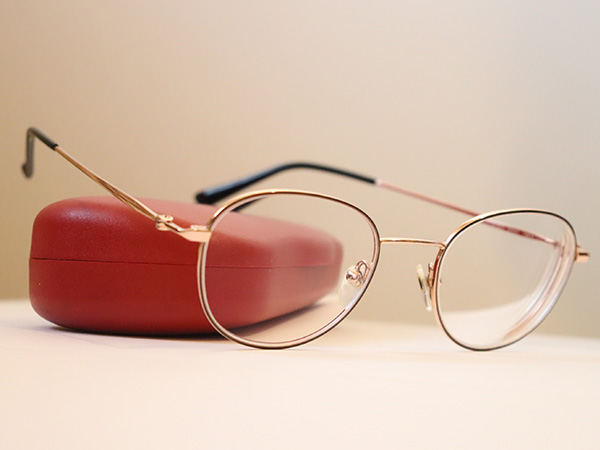
Top image used under CC0 Public Domain license. Image cropped and modified from original.
The content on this blog is not intended to be a substitute for professional medical advice, diagnosis, or treatment. Always seek the advice of qualified health providers with questions you may have regarding medical conditions.
Quick Links
All Eye Care Services
Dry Eye Treatment in Santa Monica
Dry eyes rarely have one cause, so we don’t start with a prescription. We start by finding out why your eyes are dry, then build a plan around daily habits and home care, because that is what makes the biggest difference. If you need more, we offer IPL, radiofrequency (RF), punctal plugs, and prescription treatments, with a follow-up plan so you always know what comes next.
Myopia Management for Kids in Santa Monica
If your child’s prescription keeps getting stronger, it’s worth acting early. We start myopia evaluations at age 4. We’ll explain what rising nearsightedness can mean over time and what to expect as school demands grow and puberty arrives. Then we choose an option your child will accept: atropine drops, Stellest lenses, MiSight contact lenses, or orthokeratology (overnight lenses). We check progress every few months and adjust as your child grows.
Specialty Contact Lens Evaluations in Santa Monica
Told that contact lenses won’t work for you? Often there is a way. We evaluate multifocal, scleral, mini-scleral, and hybrid lenses, including lenses for keratoconus and for eyes after surgery. With corneal topography and trial lenses in every style, we find what works for your eyes. We have helped patients who were told elsewhere that contacts weren’t an option.
Find personalized eye care excellence with our comprehensive services. From eye exams to advanced diagnostics, trust us for all your vision needs.
Keep In Touch
For non-urgent questions or to learn more about our services, contact us today!
Quick Links
Contact Info
- 1234 7th Street Suite #2
Santa Monica, CA 90401 - Phone: (310) 395-5778
- Fax: (310) 458-9754
Hours of Operation
- Monday 8:00am - 4:30pm*
- Tuesday 8:00am - 4:30pm**
- Wednesday 8:00am - 4:30pm*
- Thursday 8:00am - 4:30pm*
- Friday 8:00am - 4:30pm**
- Saturday Closed
- (Select Saturday appointments are available by request. Call or text (310) 395-5778 to check availability.)
- Sunday Closed
- Please note the following:
* We are closed 12:00 - 1:00 for lunch on Monday, Wednesday, and Thursday.
** We are closed 12:30 - 1:30 for lunch on Tuesday and Friday. - Monday
- Tuesday
- Wednesday
- Thursday
- Friday
- Saturday
- Sunday
- Monday
- Tuesday
- Wednesday
- Thursday
- Friday
- Saturday
- Sunday
© 2026 Golden State Optometry. All rights Reserved -
Accessibility Statement
-
Privacy Policy
-
Sitemap
Managed and Designed by 