The Role Of Tears

We cry for all kinds of reasons: a stubbed toe, a particularly poignant scene in a movie, freshly cut onions — the list goes on.
Would it surprise you to learn that, chemically, not all tears are the same? Or how about that even though we usually do it when we’re upset, crying is actually good for us?
Tears And Basic Eye Protection
Even when we aren’t crying, our eyes are covered in a protective film of basal tears, which is composed of three layers: the mucous layer right up against the cornea, the middle aqueous layer that is mostly saltwater, and the outer lipid layer that seals everything in and reduces evaporation.
This tear film is essentially all-in-one lubrication, cleaning, and disinfecting system for the surface of our eyes. It washes debris like dust and other particles out of our eyes with every blink and keeps our eyes comfortable and our vision clear.
The lacrimal glands in our eyelids are constantly producing small amounts of basal tears to replenish the tear film. The reason our eyes don’t leak with used basal tears all day is that what doesn’t evaporate drains out through the lacrimal ducts on the inner corners of our eyes and down into our noses. That’s why our noses get runny when we cry!
If you want to know why we wake up with grit in our eyes, check out this video:
Having A Good Cry
Basal tears are present all the time in healthy eyes, but when we cry and the tears overflow, they come in two different types: reflex and emotional tears. Even if crying can be embarrassing and messy at times, both types of tears are actually good for us.
Reflex Tears
Reflex tears are essentially the same as basal tears, but when our eyes get irritated, basal tear production goes into overdrive in an effort to safely flush out whatever caused the problem. That’s why we tear up when we’re chopping onions or get something in our eyes.
Emotional Tears
Most of us know what it’s like to cry and come out the other side of it feeling somehow refreshed and more optimistic about life, even when nothing about the situation that made us cry has actually changed. That’s because emotional tears actually clear out chemicals that build up in times of stress. Crying doesn’t just release pent-up emotion, it also purges harmful chemicals and triggers pain-regulating hormones! No wonder we feel better afterward!
Let’s Keep The Tears Flowing
Basal tears are essential for the health of our eyes, which is why dry eye can be such a serious issue. As we age, basal tear production goes down and dry eye becomes a more common problem. It can also be a side-effect of medication. Dry eye can lead significant discomfort, blurred vision, and even vision loss, so make sure you come see your local Vision Source® member optometrist if you’re experiencing it. In the meantime, keep scheduling regular appointments and having a good cry once in a while!
Our wonderful patients make us cry tears of joy!
Find a Vision Source® practice near you using our search tool.
Top image used under CC0 Public Domain license. Image cropped and modified from original.
The content on this blog is not intended to be a substitute for professional medical advice, diagnosis, or treatment. Always seek the advice of qualified health providers with questions you may have regarding medical conditions.
Quick Links
All Eye Care Services
Dry Eye Treatment in Santa Monica
Dry eyes rarely have one cause, so we don’t start with a prescription. We start by finding out why your eyes are dry, then build a plan around daily habits and home care, because that is what makes the biggest difference. If you need more, we offer IPL, radiofrequency (RF), punctal plugs, and prescription treatments, with a follow-up plan so you always know what comes next.
Myopia Management for Kids in Santa Monica
If your child’s prescription keeps getting stronger, it’s worth acting early. We start myopia evaluations at age 4. We’ll explain what rising nearsightedness can mean over time and what to expect as school demands grow and puberty arrives. Then we choose an option your child will accept: atropine drops, Stellest lenses, MiSight contact lenses, or orthokeratology (overnight lenses). We check progress every few months and adjust as your child grows.
Specialty Contact Lens Evaluations in Santa Monica
Told that contact lenses won’t work for you? Often there is a way. We evaluate multifocal, scleral, mini-scleral, and hybrid lenses, including lenses for keratoconus and for eyes after surgery. With corneal topography and trial lenses in every style, we find what works for your eyes. We have helped patients who were told elsewhere that contacts weren’t an option.
Find personalized eye care excellence with our comprehensive services. From eye exams to advanced diagnostics, trust us for all your vision needs.
Keep In Touch
For non-urgent questions or to learn more about our services, contact us today!
Quick Links
Contact Info
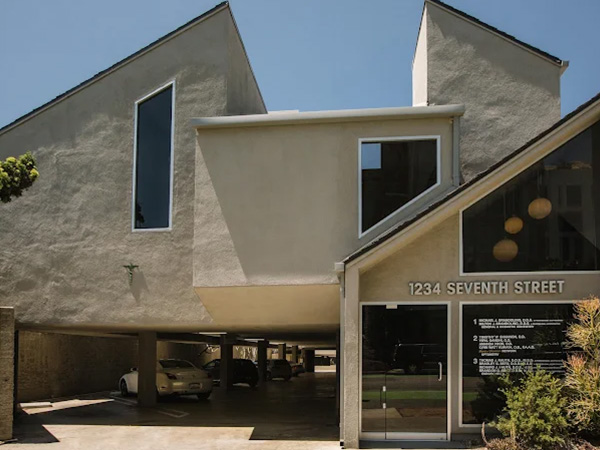
- 1234 7th Street Suite #2
Santa Monica, CA 90401 - Phone: (310) 395-5778
- Fax: (310) 458-9754
Hours of Operation
- Monday 8:00am - 4:30pm*
- Tuesday 8:00am - 4:30pm**
- Wednesday 8:00am - 4:30pm*
- Thursday 8:00am - 4:30pm*
- Friday 8:00am - 4:30pm**
- Saturday Closed
- (Select Saturday appointments are available by request. Call or text (310) 395-5778 to check availability.)
- Sunday Closed
- Please note the following:
* We are closed 12:00 - 1:00 for lunch on Monday, Wednesday, and Thursday.
** We are closed 12:30 - 1:30 for lunch on Tuesday and Friday. - Monday
- Tuesday
- Wednesday
- Thursday
- Friday
- Saturday
- Sunday
- Monday
- Tuesday
- Wednesday
- Thursday
- Friday
- Saturday
- Sunday
© 2026 Golden State Optometry. All rights Reserved -
Accessibility Statement
-
Privacy Policy
-
Sitemap
Managed and Designed by 