
Visual Impairment Is a Spectrum

Not all vision problems can be corrected with contact lenses or glasses.
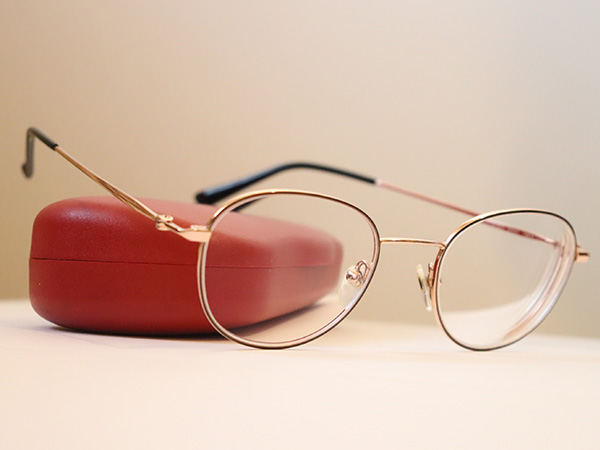
If even the strongest pair of glasses can’t produce clear vision, that is on the visual impairment spectrum. This spectrum is good for everyone to understand, even if they have perfect eyesight, so that we can know best how to help someone who lives with visual impairment every day.
What Causes Visual Impairment?
There are many different causes of visual impairment, from birth defects to eye diseases to genetic disorders. Other common causes include eye injuries and old age. We can use protective eyewear to minimize the risk of eye injuries and we can maintain healthy habits (like eating well, staying active, and avoiding smoking) to keep our eyes strong as we get older. Some eye problems can be addressed with surgery, but not all of them can be treated or avoided.
Different Forms of Visual Impairment
Visual impairment is different for each person who experiences it. Some of that variety is tied to what causes it. Glaucoma, for instance, impacts peripheral vision first. Macular degeneration damages the central vision. There are other problems like photophobia (sensitivity to light), diplopia (double vision), visual perception difficulties, and visual distortion.
Defining “Low Vision” and “Legally Blind”
If the best glasses or contacts can do for someone’s eyesight is get them to 20/70 acuity or worse (which means they can only see as much detail at 20 feet as most people could see from 70), that is considered low vision. If glasses or contacts can only get them to 20/200, they are considered legally blind.
Blindness Isn’t Always the Same Either
Blindness is more complex than not being able to see. Some people are born blind while others lose their sight later on. Blindness can come on rapidly or very gradually. Some blind people can tell the difference between light and darkness, while others are unable to perceive any kind of visual stimulation at all. Some blind people are identifiable as blind at a glance, while others don’t look any different than a sighted person.
How Can Sighted People Help?
Every visually impaired person deserves to be treated with respect and dignity. It’s not generally considered very polite to make a big fuss about their disability or draw attention to it, but we can politely greet them and introduce ourselves, then ask them if they would like any assistance. They very well may not require assistance, so be prepared for that answer. If they do accept, here are a few tips:
- When helping with mobility, ask where they want you to stand and match their walking speed. Be very descriptive about upcoming changes to the slope of the ground or obstacles.
- Any time you are a guest in the home of a visually impaired person, only place objects where they want them so that they can find them again after you leave.
- Remember that guide dogs are on the job! These canines are h highly trained and doing a very important job for their owners, so resist the urge to pet them and distract them from their work — no matter how cute they are.
- Keep in mind that visual impairment doesn’t prevent people from leading full lives, so our attitude should be helpful, not pitying.
Take Care of Your Eye Health
The more improvements we make in medicine, technology, and our understanding of the human eye, the more treatments will become available for types of visual impairment. However, we don’t recommend banking on that as an excuse to neglect vision health. Keep scheduling regular eye exams and maintain healthy habits and safety practices, and always be kind and helpful to those living with vision loss.
Have a wonderful Blindness Awareness Month!
Top image used under CC0 Public Domain license. Image cropped and modified from original.
The content on this blog is not intended to be a substitute for professional medical advice, diagnosis, or treatment. Always seek the advice of qualified health providers with questions you may have regarding medical conditions.
Quick Links
All Eye Care Services
Dry Eye Treatment in Santa Monica
Dry eyes rarely have one cause, so we don’t start with a prescription. We start by finding out why your eyes are dry, then build a plan around daily habits and home care, because that is what makes the biggest difference. If you need more, we offer IPL, radiofrequency (RF), punctal plugs, and prescription treatments, with a follow-up plan so you always know what comes next.
Myopia Management for Kids in Santa Monica
If your child’s prescription keeps getting stronger, it’s worth acting early. We start myopia evaluations at age 4. We’ll explain what rising nearsightedness can mean over time and what to expect as school demands grow and puberty arrives. Then we choose an option your child will accept: atropine drops, Stellest lenses, MiSight contact lenses, or orthokeratology (overnight lenses). We check progress every few months and adjust as your child grows.
Specialty Contact Lens Evaluations in Santa Monica
Told that contact lenses won’t work for you? Often there is a way. We evaluate multifocal, scleral, mini-scleral, and hybrid lenses, including lenses for keratoconus and for eyes after surgery. With corneal topography and trial lenses in every style, we find what works for your eyes. We have helped patients who were told elsewhere that contacts weren’t an option.
Find personalized eye care excellence with our comprehensive services. From eye exams to advanced diagnostics, trust us for all your vision needs.
Keep In Touch
For non-urgent questions or to learn more about our services, contact us today!
Quick Links
Contact Info
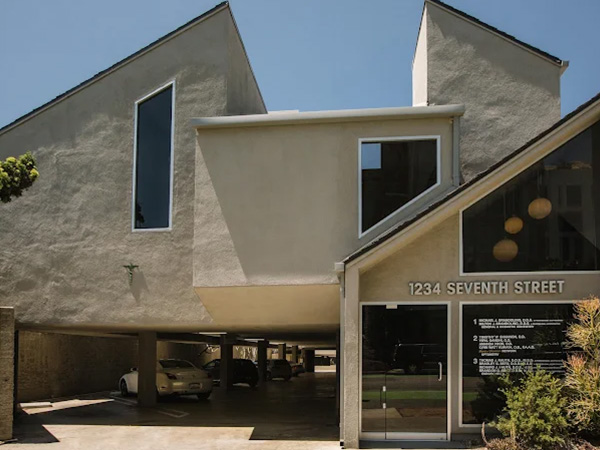
- 1234 7th Street Suite #2
Santa Monica, CA 90401 - Phone: (310) 395-5778
- Fax: (310) 458-9754
Hours of Operation
- Monday 8:00am - 4:30pm*
- Tuesday 8:00am - 4:30pm**
- Wednesday 8:00am - 4:30pm*
- Thursday 8:00am - 4:30pm*
- Friday 8:00am - 4:30pm**
- Saturday Closed
- (Select Saturday appointments are available by request. Call or text (310) 395-5778 to check availability.)
- Sunday Closed
- Please note the following:
* We are closed 12:00 - 1:00 for lunch on Monday, Wednesday, and Thursday.
** We are closed 12:30 - 1:30 for lunch on Tuesday and Friday. - Monday
- Tuesday
- Wednesday
- Thursday
- Friday
- Saturday
- Sunday
- Monday
- Tuesday
- Wednesday
- Thursday
- Friday
- Saturday
- Sunday
© 2026 Golden State Optometry. All rights Reserved -
Accessibility Statement
-
Privacy Policy
-
Sitemap
Managed and Designed by 