
What Causes Different Eye Colors?
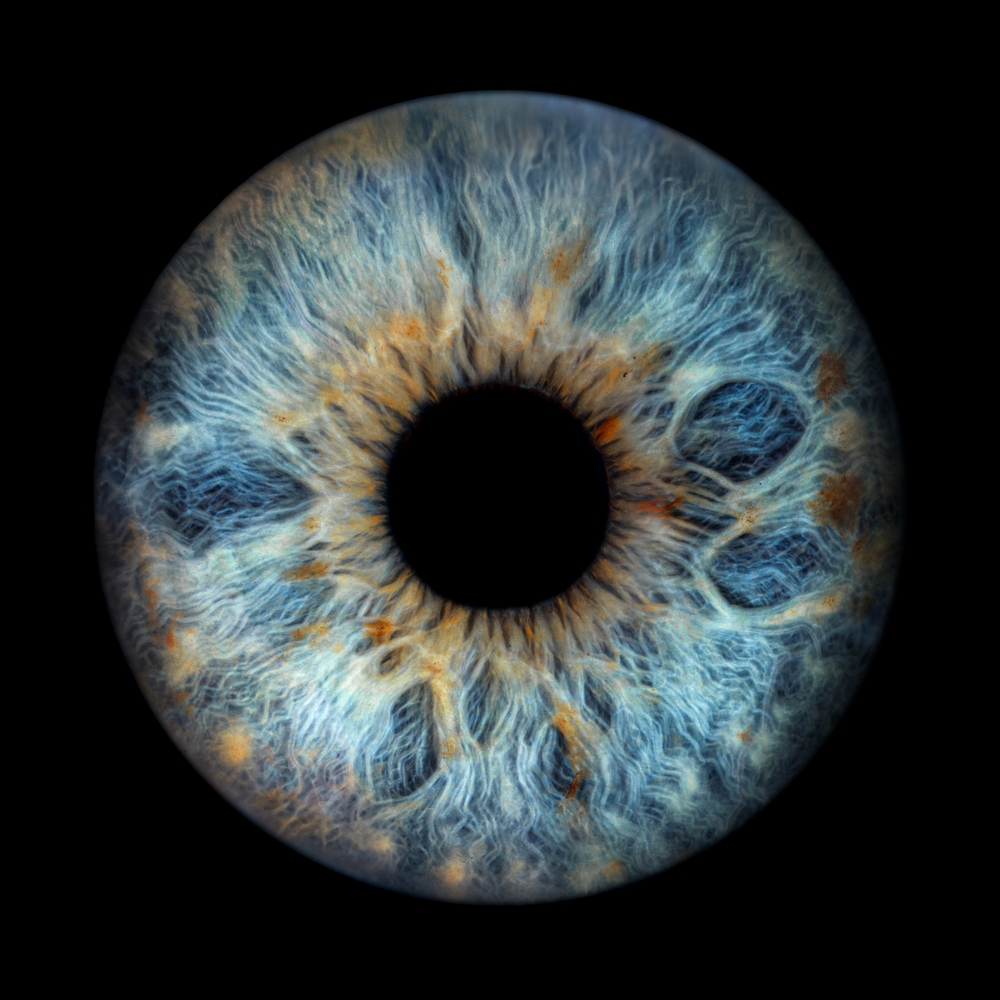
The same compound that determines our skin color also creates the variety of eye colors we see.
In fact, it's the very same compound that protects our skin and eyes from getting damaged by the sun (though we still need sunglasses and sunscreen to finish the job). So how can one compound (melanin) result in so many different eye colors?
Which Are the Rarest Eye Colors?
Living in an English-speaking country, you might get the impression that there's a pretty even mix of blue, hazel, and brown eyes in the population. However, across the rest of the planet, the ratios change wildly. The many shades of brown eyes are the overwhelming majority, while scientists are confident that they can trace blue eyes back to the same common ancestor with a specific mutation affecting eye color. Here are the overall percentages:
- Brown eyes: 70-79%
- Blue eyes: 8-10%
- Hazel eyes: 5%
- Gray eyes: 3%
- Green eyes: 2%
- Heterochromia (meaning the two eyes are different colors or there's a patch of a different color in one eye): 1%
- Red or violet eyes: under 1%
How Melanin and Pigment Works in the Eyes
There are two different kinds of melanin in the iris. Eumelanin produces a deep, chocolate brown color, while pheomelanin produces more of the amber, green, and hazel colors. Blue eyes happen when there's little to no melanin present, rather than due to actual blue pigment. Similar to the way the sky and ocean appear blue, blue eyes get their color from the way light scatters around the iris.
The way eyes can be green is when there's not quite enough melanin to disrupt the Tyndall effect that creates blue color, so it combines with a yellowish pigment to produce green. Hazel eyes have enough melanin to get past that point. At the opposite end of the spectrum, red or "violet" eyes typical of albinism come from a complete absence of melanin in all layers of the iris, to the point that the Tyndall effect mixes with the red of the underlying blood vessels.
Eye Color Genetics Is Complicated
As many as 16 different genes work together to determine our eye color. A tiny change to any of those genes could result in something different. That's why it isn't always so easy to predict what color a baby's eyes will be just by looking at their parents' eyes.
Sometimes babies (mainly caucasian babies) are born with blue or gray eyes that eventually change to a different color. It's the same way kids may start out platinum blonde and end up with honey-blonde or brown hair as adults. It can take time for the cells in the eyes to produce the final amount of melanin, and light exposure can trigger more melanin production.
Other Ways Eye Color Can Change
We all had that one friend in school who claimed their eye color would change every day. That was most likely a trick of the light based on the way their eyes reflected the colors of their clothes and surroundings. Changes in pupil size and lighting can make eye color appear different, and aging can cause a gradual change. Injuries can also cause a permanent change. The best-known example of that was David Bowie.
There Are Also Artificial Eye Color Changes
In the modern day, we can use contact lenses to change our eye color if we really want to. If you're interested in seeing how you'd look with a different eye color, let us know and we can help! Just temper your expectations because a curved contact lens won't look the same as the flat surface of the iris underneath the cornea of the eye.
There's nothing better than our patients' beautiful eyes!
Top image used under CC0 Public Domain license. Image cropped and modified from original.
The content on this blog is not intended to be a substitute for professional medical advice, diagnosis, or treatment. Always seek the advice of qualified health providers with questions you may have regarding medical conditions.
Quick Links
All Eye Care Services
Dry Eye Treatment in Santa Monica
Dry eyes rarely have one cause, so we don’t start with a prescription. We start by finding out why your eyes are dry, then build a plan around daily habits and home care, because that is what makes the biggest difference. If you need more, we offer IPL, radiofrequency (RF), punctal plugs, and prescription treatments, with a follow-up plan so you always know what comes next.
Myopia Management for Kids in Santa Monica
If your child’s prescription keeps getting stronger, it’s worth acting early. We start myopia evaluations at age 4. We’ll explain what rising nearsightedness can mean over time and what to expect as school demands grow and puberty arrives. Then we choose an option your child will accept: atropine drops, Stellest lenses, MiSight contact lenses, or orthokeratology (overnight lenses). We check progress every few months and adjust as your child grows.
Specialty Contact Lens Evaluations in Santa Monica
Told that contact lenses won’t work for you? Often there is a way. We evaluate multifocal, scleral, mini-scleral, and hybrid lenses, including lenses for keratoconus and for eyes after surgery. With corneal topography and trial lenses in every style, we find what works for your eyes. We have helped patients who were told elsewhere that contacts weren’t an option.
Find personalized eye care excellence with our comprehensive services. From eye exams to advanced diagnostics, trust us for all your vision needs.
Keep In Touch
For non-urgent questions or to learn more about our services, contact us today!
Quick Links
Contact Info
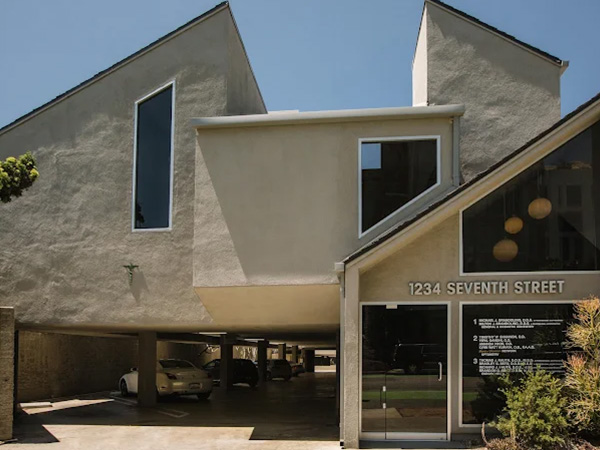
- 1234 7th Street Suite #2
Santa Monica, CA 90401 - Phone: (310) 395-5778
- Fax: (310) 458-9754
Hours of Operation
- Monday 8:00am - 4:30pm*
- Tuesday 8:00am - 4:30pm**
- Wednesday 8:00am - 4:30pm*
- Thursday 8:00am - 4:30pm*
- Friday 8:00am - 4:30pm**
- Saturday Closed
- (Select Saturday appointments are available by request. Call or text (310) 395-5778 to check availability.)
- Sunday Closed
- Please note the following:
* We are closed 12:00 - 1:00 for lunch on Monday, Wednesday, and Thursday.
** We are closed 12:30 - 1:30 for lunch on Tuesday and Friday. - Monday
- Tuesday
- Wednesday
- Thursday
- Friday
- Saturday
- Sunday
- Monday
- Tuesday
- Wednesday
- Thursday
- Friday
- Saturday
- Sunday
© 2026 Golden State Optometry. All rights Reserved -
Accessibility Statement
-
Privacy Policy
-
Sitemap
Managed and Designed by 