
What Does Visual Impairment Mean?
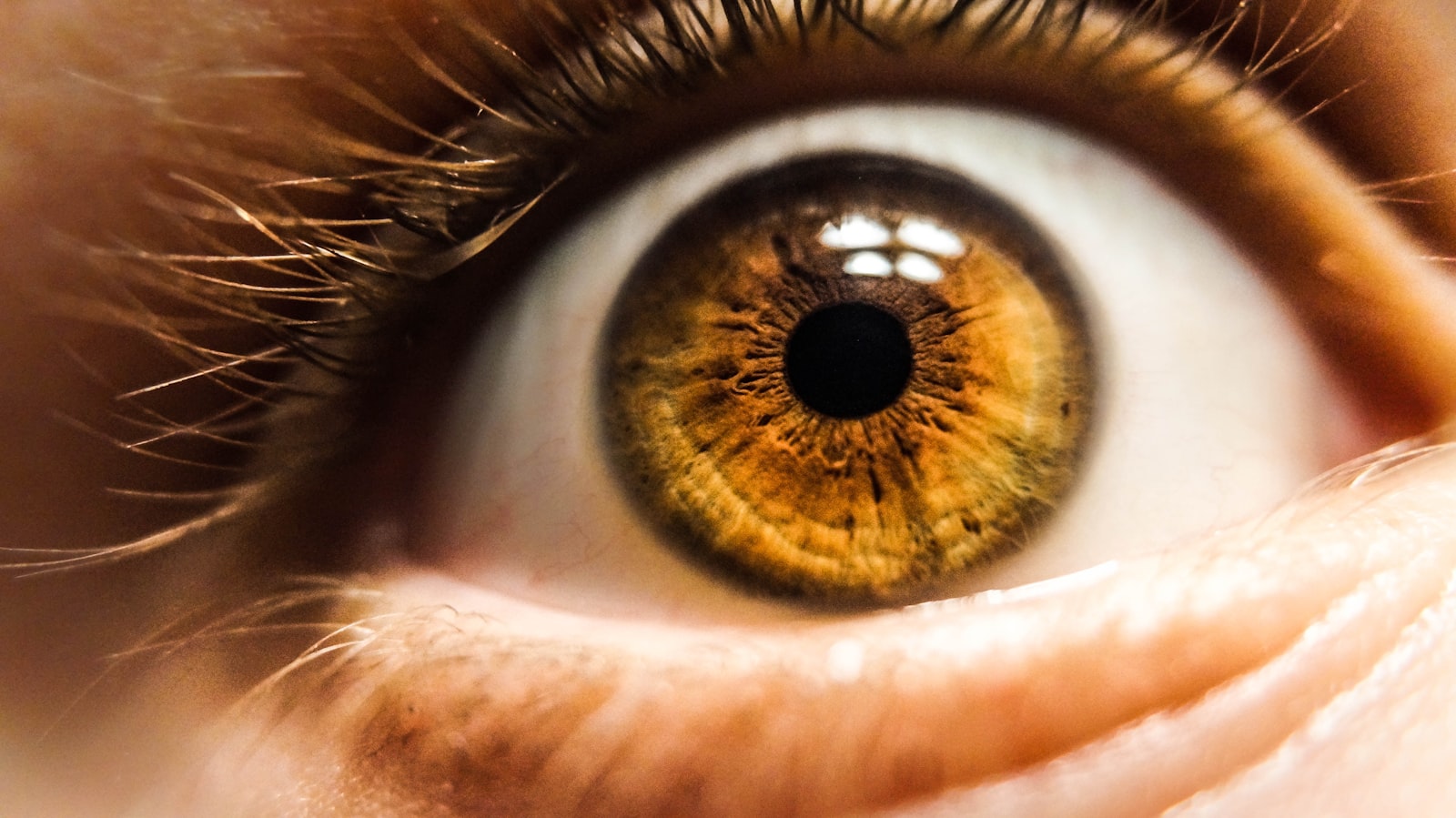
Visual impairment affects millions of people worldwide in many different ways.
Understanding the different types of visual impairment and learning respectful ways to help can make a meaningful difference in someone's daily life.
Low Vision
Visual impairment exists on a spectrum, ranging from mild vision loss to complete blindness. Low vision refers to significant visual impairment that cannot be fully corrected with glasses, contact lenses, medication, or surgery. People with low vision may have difficulty reading, recognizing faces, or navigating spaces, but retain some usable sight.
Central and Peripheral Vision Loss
Central vision loss, often caused by conditions like macular degeneration, affects the center of the visual field. People with this condition may struggle to read or see fine details but can often navigate using their peripheral vision. Conversely, peripheral vision loss, common in conditions like glaucoma or retinitis pigmentosa, creates tunnel vision where only the central field remains clear.
Blurred and Distorted Vision
Blurred vision can result from various conditions including uncorrected refractive errors, cataracts, or diabetic retinopathy. Some individuals experience clouded or hazy vision, while others may have blind spots or distorted vision that makes straight lines appear wavy.
Total Blindness
Total blindness, where no light perception exists, represents a small percentage of visual impairment cases. Many people classified as legally blind actually have some remaining vision they can utilize.
How to Provide Helpful Assistance
- Always Ask First: The golden rule when assisting someone with visual impairment is simple: always ask first. Never assume someone needs help or grab their arm without permission. A simple "Would you like assistance?" respects their autonomy and expertise in navigating their own needs.
- Offering Guidance: When offering your arm for guidance, allow them to take your elbow or shoulder rather than pushing or pulling them. Walk slightly ahead and describe upcoming obstacles, such as "Steps going down in three paces" or "Doorway ahead on the right." Be specific rather than using vague terms like "over there."
- Communication Tips: In conversation, don't hesitate to use common phrases like "see you later" or "nice to see you." These expressions are part of everyday language, and avoiding them can feel more awkward than natural. Do speak directly to the person rather than addressing their companion, and identify yourself when approaching, especially in group settings.
- Giving Clear Directions: When giving directions, be precise. Instead of saying "the office is that way," try "the office is about twenty feet ahead on your left, past the water cooler." Avoid rearranging furniture or objects without informing someone who is visually impaired, as they rely on spatial memory and consistency.
- Practical Considerations: If you're guiding someone to a seat, place their hand on the back or arm of the chair and let them seat themselves. When leaving a conversation, always announce your departure so they're not left speaking to an empty room.
Remember that service animals are working and should never be petted, fed, or distracted without the handler's explicit permission. These animals require focus to perform their critical tasks safely.
A Little Assistance Can Go a Long Way
By understanding visual impairment and offering thoughtful, respectful assistance, we create more inclusive communities where everyone can navigate the world with dignity and independence.
Bring us any questions you have about visual impairment!
The content on this blog is not intended to be a substitute for professional medical advice, diagnosis, or treatment. Always seek the advice of qualified health providers with questions you may have regarding medical conditions.
Quick Links
All Eye Care Services
Dry Eye Treatment in Santa Monica
Dry eyes rarely have one cause, so we don’t start with a prescription. We start by finding out why your eyes are dry, then build a plan around daily habits and home care, because that is what makes the biggest difference. If you need more, we offer IPL, radiofrequency (RF), punctal plugs, and prescription treatments, with a follow-up plan so you always know what comes next.
Myopia Management for Kids in Santa Monica
If your child’s prescription keeps getting stronger, it’s worth acting early. We start myopia evaluations at age 4. We’ll explain what rising nearsightedness can mean over time and what to expect as school demands grow and puberty arrives. Then we choose an option your child will accept: atropine drops, Stellest lenses, MiSight contact lenses, or orthokeratology (overnight lenses). We check progress every few months and adjust as your child grows.
Specialty Contact Lens Evaluations in Santa Monica
Told that contact lenses won’t work for you? Often there is a way. We evaluate multifocal, scleral, mini-scleral, and hybrid lenses, including lenses for keratoconus and for eyes after surgery. With corneal topography and trial lenses in every style, we find what works for your eyes. We have helped patients who were told elsewhere that contacts weren’t an option.
Find personalized eye care excellence with our comprehensive services. From eye exams to advanced diagnostics, trust us for all your vision needs.
Keep In Touch
For non-urgent questions or to learn more about our services, contact us today!
Quick Links
Contact Info
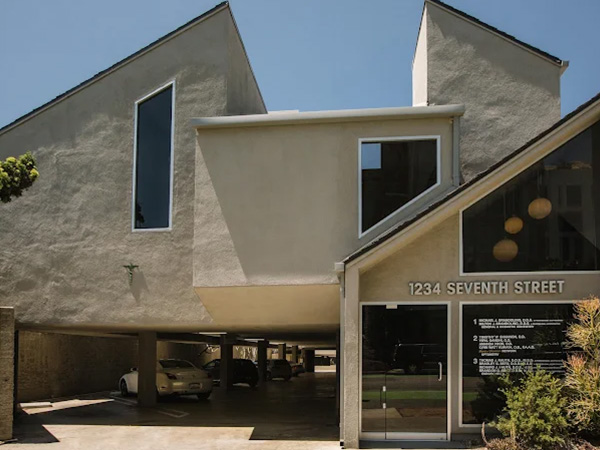
- 1234 7th Street Suite #2
Santa Monica, CA 90401 - Phone: (310) 395-5778
- Fax: (310) 458-9754
Hours of Operation
- Monday 8:00am - 4:30pm*
- Tuesday 8:00am - 4:30pm**
- Wednesday 8:00am - 4:30pm*
- Thursday 8:00am - 4:30pm*
- Friday 8:00am - 4:30pm**
- Saturday Closed
- (Select Saturday appointments are available by request. Call or text (310) 395-5778 to check availability.)
- Sunday Closed
- Please note the following:
* We are closed 12:00 - 1:00 for lunch on Monday, Wednesday, and Thursday.
** We are closed 12:30 - 1:30 for lunch on Tuesday and Friday. - Monday
- Tuesday
- Wednesday
- Thursday
- Friday
- Saturday
- Sunday
- Monday
- Tuesday
- Wednesday
- Thursday
- Friday
- Saturday
- Sunday
© 2026 Golden State Optometry. All rights Reserved -
Accessibility Statement
-
Privacy Policy
-
Sitemap
Managed and Designed by 