
Why Cataracts Form and How We Treat Them
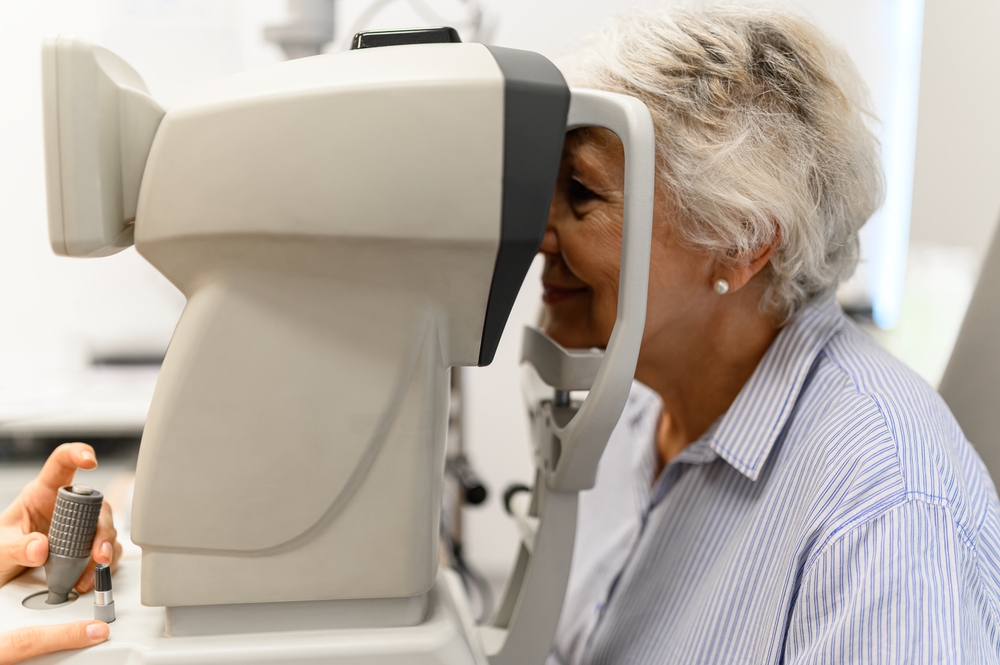
Life with cataracts can be like trying to see through a foggy window that can't be wiped clean.
Cataracts are one of the most common eye conditions in the world, and the good news is that they're also one of the most treatable. Here's what you need to know.
What Is a Cataract?
A cataract is a clouding of the eye's natural lens, which sits just behind the pupil. The lens is responsible for focusing light onto the retina, allowing you to see clearly. When proteins inside the lens begin to break down and clump together, that cloudiness develops, scattering light instead of focusing it. The result is blurry, hazy, or dim vision that gradually worsens over time.
Why Cataracts Form
Age is the most common cause. As we get older, the proteins in our lenses naturally begin to degrade. Most people over 60 have some degree of cataract formation, even if they don't notice it yet. But age isn't the only factor. Other common contributors include:
- Prolonged UV exposure from sunlight
- Smoking and excessive alcohol consumption
- Diabetes and other metabolic conditions
- Long-term use of corticosteroid medications
- Eye injuries or prior eye surgeries
- Family history and genetics
In some cases, cataracts are present at birth, a condition known as congenital cataracts.
Recognizing the Symptoms
Cataracts develop slowly, so symptoms often creep up gradually. The most common signs include blurred or cloudy vision, increased sensitivity to glare (especially when driving at night), faded or yellowed colors, frequent changes in your glasses prescription, and seeing halos around lights. If any of these sound familiar, it's worth scheduling a comprehensive eye exam.
How We Treat Cataracts
In the early stages, updated glasses or better lighting can help manage symptoms. But when cataracts begin to significantly interfere with daily life, surgery is the most effective solution.
Cataract surgery is one of the safest and most commonly performed procedures in medicine. The clouded natural lens is removed and replaced with a clear artificial lens called an intraocular lens (IOL). The procedure typically takes less than 30 minutes and is performed on an outpatient basis.
Most patients notice dramatically improved vision within days. Modern IOLs come in a variety of types, including lenses that correct for astigmatism or even reduce dependence on glasses after surgery. Your eye doctor will help you choose the best option based on your vision needs and lifestyle.
Fun Fact: Claude Monet's Cataracts
The French Impressionist painter Claude Monet developed cataracts in both eyes beginning around 1912. As his condition worsened, his color perception shifted dramatically, causing him to see the world in muddled yellows and browns. Art historians believe this is reflected in the darker, less vibrant palette of his later works.
Monet resisted surgery for years out of fear, but eventually underwent a procedure in 1923. The surgery was considered experimental at the time and did not go smoothly. He was left with altered color vision and had to wear tinted lenses to compensate. After adjusting, he returned to painting and even reworked some of his earlier pieces.
It's a striking reminder of how much vision shapes our experience of the world, and how far cataract treatment has come since then.
Talk to Your Eye Doctor
If you're over 50 or noticing any changes in your vision, a routine eye exam can catch cataracts early. The sooner they're identified, the more options you have.
Don't wait until your view gets too foggy to act.
The content on this blog is not intended to be a substitute for professional medical advice, diagnosis, or treatment. Always seek the advice of qualified health providers with questions you may have regarding medical conditions.
Quick Links
All Eye Care Services
Dry Eye Treatment in Santa Monica
Dry eyes rarely have one cause, so we don’t start with a prescription. We start by finding out why your eyes are dry, then build a plan around daily habits and home care, because that is what makes the biggest difference. If you need more, we offer IPL, radiofrequency (RF), punctal plugs, and prescription treatments, with a follow-up plan so you always know what comes next.
Myopia Management for Kids in Santa Monica
If your child’s prescription keeps getting stronger, it’s worth acting early. We start myopia evaluations at age 4. We’ll explain what rising nearsightedness can mean over time and what to expect as school demands grow and puberty arrives. Then we choose an option your child will accept: atropine drops, Stellest lenses, MiSight contact lenses, or orthokeratology (overnight lenses). We check progress every few months and adjust as your child grows.
Specialty Contact Lens Evaluations in Santa Monica
Told that contact lenses won’t work for you? Often there is a way. We evaluate multifocal, scleral, mini-scleral, and hybrid lenses, including lenses for keratoconus and for eyes after surgery. With corneal topography and trial lenses in every style, we find what works for your eyes. We have helped patients who were told elsewhere that contacts weren’t an option.
Find personalized eye care excellence with our comprehensive services. From eye exams to advanced diagnostics, trust us for all your vision needs.
Keep In Touch
For non-urgent questions or to learn more about our services, contact us today!
Quick Links
Contact Info
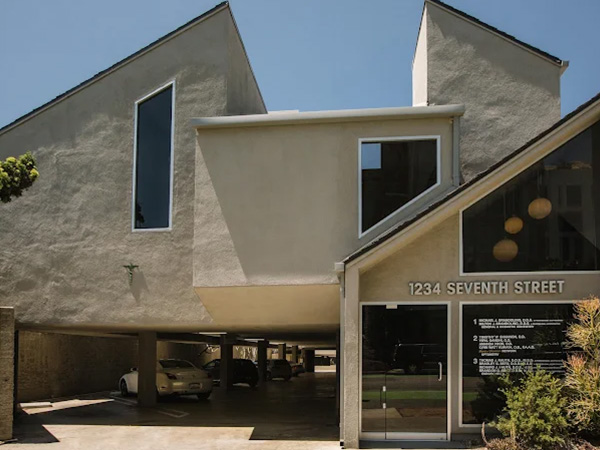
- 1234 7th Street Suite #2
Santa Monica, CA 90401 - Phone: (310) 395-5778
- Fax: (310) 458-9754
Hours of Operation
- Monday 8:00am - 4:30pm*
- Tuesday 8:00am - 4:30pm**
- Wednesday 8:00am - 4:30pm*
- Thursday 8:00am - 4:30pm*
- Friday 8:00am - 4:30pm**
- Saturday Closed
- (Select Saturday appointments are available by request. Call or text (310) 395-5778 to check availability.)
- Sunday Closed
- Please note the following:
* We are closed 12:00 - 1:00 for lunch on Monday, Wednesday, and Thursday.
** We are closed 12:30 - 1:30 for lunch on Tuesday and Friday. - Monday
- Tuesday
- Wednesday
- Thursday
- Friday
- Saturday
- Sunday
- Monday
- Tuesday
- Wednesday
- Thursday
- Friday
- Saturday
- Sunday
© 2026 Golden State Optometry. All rights Reserved -
Accessibility Statement
-
Privacy Policy
-
Sitemap
Managed and Designed by 