Winter Is Here! Are Your Eyes Protected?

When we think of sunburns, most of us probably imagine sandy beaches and summer heat, but we can get sunburned in any season, including winter.
In fact, winter can be even more dangerous in some ways. Just because most of our skin is bundled up from the cold, that doesn’t mean our eyes are safe, and that’s only one of the potential problems they can face during the chilly months of the year.
Winter Dry Eye
In winter, the air can get very dry, and the heaters in our homes and where we work only dry it out more! This makes it very easy for our eyes to dry out and become irritated. You can fight back against this by staying well hydrated, and it can also help to use seat warmers in the car and turn the heater down, as well as getting a humidifier.
Arc Eye or Snow Blindness
As we hinted at before, it is very possible to get sunburned in winter, and that includes the eyes. Too much sunlight can actually lead to temporary blindness, called “snow blindness” or “arc eye.” Skiers and snowboarders are some of the most susceptible. Up on those slopes, the thinner air offers less protection from the sun and the snow reflects it back even more, making everything extremely bright.
The most dangerous part of snow blindness is that it can take hours to begin noticing symptoms, during which time you may have gotten even more sun exposure! The good news is that there are excellent tools to help prevent snow blindness.
Sunglasses Are Not Just for Summer
A good pair of polarized, 100 percent UV blocking sunglasses are a fantastic defense against dangerous UV rays for a day out in the snowy weather. Polarization is important, because this type of lens is designed to reflect light coming in from certain angles, which means none of that glare coming off the snow will get past them to your eyes! If you don’t already have a pair, we highly recommend taking a look at a few.
Goggles for Outdoor Winter Athletes
For skiers and snowboarders, mere sunglasses may not be enough. This is where goggles come in. They provide more coverage and are more secure than sunglasses. They can even fit over glasses, and you can find pairs with vents or anti-fog coating so they don’t steam up.
Unlike with sunglasses, you might want to avoid polarized lenses on goggles, because the glare on the mountainside actually helps you see the slope. Instead, check out the colored lenses available. Different colors are more helpful in different conditions. If that seems intimidating or you aren’t interested in changing out lenses, you could choose a pair with universal lenses that are good in all conditions.
Have Questions? Just Ask Us!
We’re always happy to give our patients the information they need to better protect their eyes. Give us a call if you still have questions about how to protect against winter dry eye or snow blindness, or if you just need recommendations for a good pair of sunglasses or goggles.
Enjoy that winter wonderland, and stay safe!
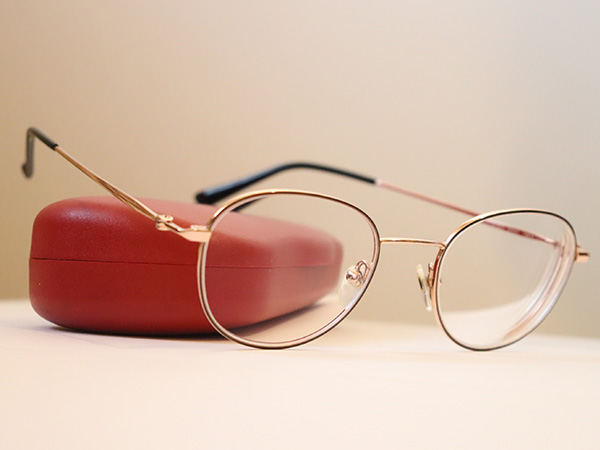
Top image used under CC0 Public Domain license. Image cropped and modified from original.
The content on this blog is not intended to be a substitute for professional medical advice, diagnosis, or treatment. Always seek the advice of qualified health providers with questions you may have regarding medical conditions.
Quick Links
All Eye Care Services
Dry Eye Treatment in Santa Monica
Dry eyes rarely have one cause, so we don’t start with a prescription. We start by finding out why your eyes are dry, then build a plan around daily habits and home care, because that is what makes the biggest difference. If you need more, we offer IPL, radiofrequency (RF), punctal plugs, and prescription treatments, with a follow-up plan so you always know what comes next.
Myopia Management for Kids in Santa Monica
If your child’s prescription keeps getting stronger, it’s worth acting early. We start myopia evaluations at age 4. We’ll explain what rising nearsightedness can mean over time and what to expect as school demands grow and puberty arrives. Then we choose an option your child will accept: atropine drops, Stellest lenses, MiSight contact lenses, or orthokeratology (overnight lenses). We check progress every few months and adjust as your child grows.
Specialty Contact Lens Evaluations in Santa Monica
Told that contact lenses won’t work for you? Often there is a way. We evaluate multifocal, scleral, mini-scleral, and hybrid lenses, including lenses for keratoconus and for eyes after surgery. With corneal topography and trial lenses in every style, we find what works for your eyes. We have helped patients who were told elsewhere that contacts weren’t an option.
Find personalized eye care excellence with our comprehensive services. From eye exams to advanced diagnostics, trust us for all your vision needs.
Keep In Touch
For non-urgent questions or to learn more about our services, contact us today!
Quick Links
Contact Info
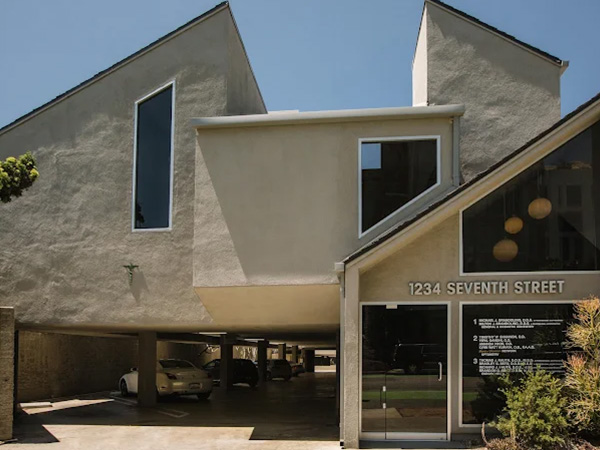
- 1234 7th Street Suite #2
Santa Monica, CA 90401 - Phone: (310) 395-5778
- Fax: (310) 458-9754
Hours of Operation
- Monday 8:00am - 4:30pm*
- Tuesday 8:00am - 4:30pm**
- Wednesday 8:00am - 4:30pm*
- Thursday 8:00am - 4:30pm*
- Friday 8:00am - 4:30pm**
- Saturday Closed
- (Select Saturday appointments are available by request. Call or text (310) 395-5778 to check availability.)
- Sunday Closed
- Please note the following:
* We are closed 12:00 - 1:00 for lunch on Monday, Wednesday, and Thursday.
** We are closed 12:30 - 1:30 for lunch on Tuesday and Friday. - Monday
- Tuesday
- Wednesday
- Thursday
- Friday
- Saturday
- Sunday
- Monday
- Tuesday
- Wednesday
- Thursday
- Friday
- Saturday
- Sunday
© 2026 Golden State Optometry. All rights Reserved -
Accessibility Statement
-
Privacy Policy
-
Sitemap
Managed and Designed by 